Loading…
Alan Shearer Backs Fabian Hürzeler for Manchester United Role
Alan Shearer shakes up the Premier League narrative by pushing for Fabian Hürzeler to take the Manchester United hot seat over Michael Carrick.
Key takeaways
- 1Football punditry often descends into shouting matches about passion, desire, and players running extra yards, but Shearer’s intervention cuts deeper into structural realities.
- 2To understand how the conversation reached this juncture, we have to look back at the chaotic timeline of the post-Ferguson era.
- 3Watching Hürzeler orchestrate matches reveals a relentless commitment to verticality, synchronized counter-pressing, and aggressive defensive lines.
- 4Michael Carrick remains a beloved figure within the walls of the club, holding a special place in fans' hearts from his glittering playing days under Ferguson.
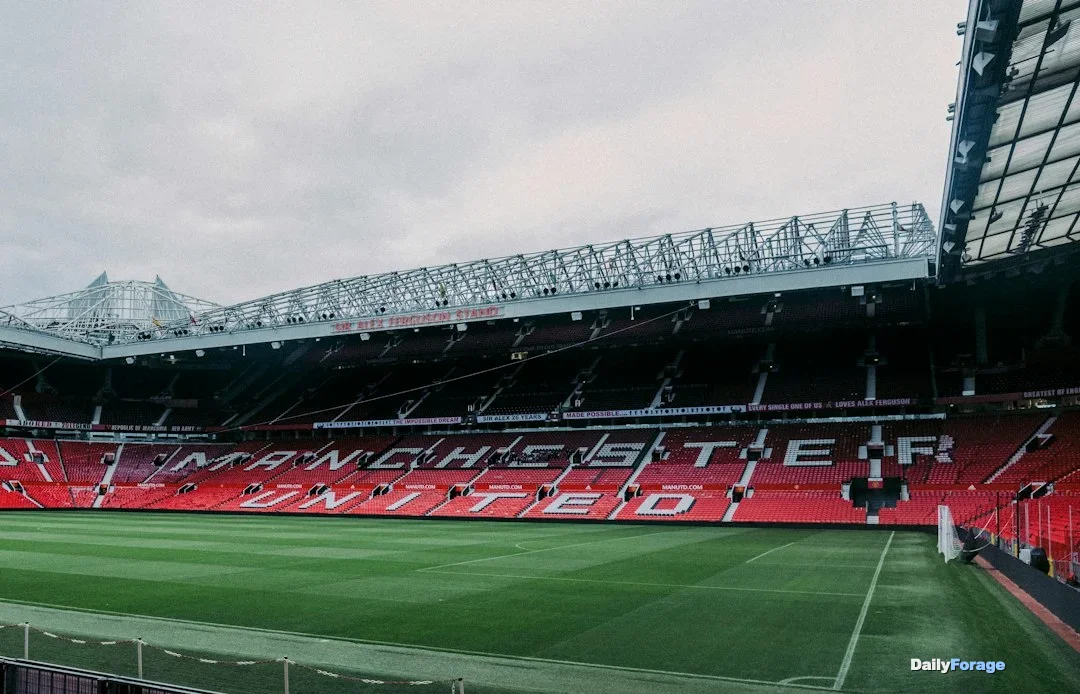
Panic at Old Trafford is rarely a quiet affair, but the latest punditry earthquake arrived with a surprisingly analytical blueprint. When Alan Shearer stepped up to declare that Fabian Hürzeler should be at the very top of Manchester United’s succession shortlist should Michael Carrick's interim tenure conclude, the footballing establishment raised a collective eyebrow. We are talking about a club that has spent the last 13 years searching for an identity post-Sir Alex Ferguson, swinging wildly from pragmatic veterans to charismatic tactical ideologues without ever finding a sustainable middle ground.
The Anatomy of a High-Stakes Punditry Endorsement
Football punditry often descends into shouting matches about passion, desire, and players running extra yards, but Shearer’s intervention cuts deeper into structural realities. Naming a young, tactically meticulous coach like Hürzeler signals a shift in how former players evaluate modern management. Instead of demanding a bigger name with a heavier trophy cabinet, the focus pivots toward systemic coaching brilliance, tactical adaptability, and the courage to strip an underperforming squad down to its studs.
"You look at what is happening in modern coaching circles, and the traditional playbook of hiring established superstars in the dugout is simply failing elite clubs," noted one senior sporting director.
📌 Key Point: Shearer’s endorsement highlights a generational shift in pundit expectations, prioritizing modern pressing architectures over old-school man-management.
Critics often argue that managing a behemoth like Manchester United requires a thick skin earned through decades of high-pressure dressing rooms. Yet, modern football operates on micro-tactics, positional rotations, and data-driven transition phases that demand mathematical precision rather than sheer force of personality. Hürzeler represents a new breed of manager who treats the tactical whiteboard with the same intensity that older generations reserved for pre-match team talks.
Tracing the Timeline from Crisis to Tactical Reimagining
To understand how the conversation reached this juncture, we have to look back at the chaotic timeline of the post-Ferguson era. In 2013, the club attempted a direct lineage transfer with David Moyes, setting off a domino effect of expensive missteps. Louis van Gaal brought philosophical rigidity, Jose Mourinho introduced siege mentality pragmatism, and Ole Gunnar Solskjaer relied on cultural nostalgia. Each iteration ended in the exact same place: a fractured squad, bloated wage bills, and fans demanding a clean slate.
When Erik ten Hag’s tenure unravelled after capturing the FA Cup in 2024, the subsequent interim phase brought Michael Carrick back into the spotlight. Carrick offered calm authority and defensive stability, calming the immediate turbulence that had paralyzed the squad. However, interim stability is a band-aid, not a long-term cure for structural stagnation.
By late 2025, the board realized that patching over cracks with caretaker managers only delayed the inevitable rebuild. Enter Fabian Hürzeler, whose meteoric rise through German coaching ranks and immediate impact in the English top flight proved that young tactical minds can outmaneuver veteran managers on a shoestring budget.
Why Fabian Hürzeler’s Profile Fits the Modern Blueprint
Watching Hürzeler orchestrate matches reveals a relentless commitment to verticality, synchronized counter-pressing, and aggressive defensive lines. At just 32 years old, he commands tactical authority not through historical status, but through absolute clarity of instruction. Every player on the pitch understands their trigger points, spatial responsibilities, and passing lanes within milliseconds.
Manchester United’s current roster is littered with talented individuals who frequently look lost in unstructured environments. A coach who establishes rigid tactical frameworks can rescue careers that currently stall under the weight of tactical ambiguity. When a team operates with a 74% pass-completion rate inside the final third under pressure, individual mistakes decrease because the system dictates safe outlets.
"Tactical clarity cures bad form faster than any motivational speech ever could," remains the golden rule for modern sporting architects.
Skeptics point to the immense pressure cooker of Old Trafford as a potential graveyard for young managers. Yet, Hürzeler’s tenure at Brighton proved he thrives under intense scrutiny and high expectations, routinely outsmarting elite managers who possess squads worth double his valuation.
The Michael Carrick Dilemma and the Trap of Nostalgia
Michael Carrick remains a beloved figure within the walls of the club, holding a special place in fans' hearts from his glittering playing days under Ferguson. Handing him the reins provides a comforting sense of continuity, but football history warns against the trap of sentimental appointments. Clubs that rely on former players often struggle to make ruthless decisions when friendlier relationships cloud professional judgments.
Transitioning from an interim legend to a permanent visionary requires immense institutional bravery from the executive committee. If Carrick secures impressive results in the short term, the board faces a severe psychological hurdle in passing him over for an outsider. Yet, sentimental choices rarely yield structural evolution.
- Appointing a club legend guarantees short-term fan appeasement but risks long-term tactical stagnation.
- Data-driven managerial searches remove emotional bias and focus purely on tactical metrics and physical output.
- Young managers require absolute executive backing to implement radical stylistic overhauls across academy and senior squads.
- Modern Premier League survival demands specialized pressing schemes rather than traditional man-management styles.
- Transition periods must be measured in years rather than months to yield sustainable championship contenders.
- Elite recruitment teams evaluate coaches based on overperformance relative to squad budgets rather than sheer brand recognition.
What This Means For You
If you follow football not just as a weekend pastime but as a study in organizational psychology, this debate exposes how elite clubs make multi-million-pound bets. When figures like Shearer publicly lobby for tactical modernists over safe internal options, it signals that the entire industry recognizes the game has permanently outgrown old-school management tropes. Fans and observers should expect more clubs to bypass traditional heavyweight managers in favor of hyper-analytical tactical specialists who can modernize entire club infrastructures from the ground up.
For supporters, this means shifting expectations away from instant miracles and toward long-term structural identity. If Manchester United chooses to gamble on a profile like Hürzeler, the initial months will feature rocky performances, tactical growing pains, and intense media scrutiny. Patience ceases to be a virtue and becomes an absolute operational requirement for any club attempting a genuine sporting resurrection.
Key Facts
- In 2013, Manchester United won their last Premier League title under Sir Alex Ferguson, beginning a 13-year drought.
- Fabian Hürzeler became one of the youngest permanent managers in Premier League history upon taking his role at Brighton.
- Alan Shearer holds the all-time Premier League goalscoring record with 260 goals across his illustrious career.
- Manchester United's squad valuation routinely exceeds £800 million, placing immense financial pressure on whichever manager occupies the dugout.
- Michael Carrick made over 450 appearances for Manchester United during his storied playing career.
What Comes Next for Old Trafford
The boardroom battles happening behind closed doors will determine whether the club continues its expensive cycle of trial and error or commits to a rigorous, modern sporting philosophy. Whether the executive committee listens to Shearer’s advice or opts for safe familiarity, the margin for error has shrunk to zero. As the next transfer window approaches, every tactical adjustment made in training sessions will dictate whether Old Trafford returns to the summit of European football or sinks deeper into mediocrity.
FAQ
Alan Shearer publicly endorsed Fabian Hürzeler as the prime candidate to take over the managerial reins if Michael Carrick's interim spell concludes.
6 min read · 1,348 words
Share this article
Found this useful? Share it with your friends and followers.
Rate this article
Discussion
Leave a comment
Loading comments…
How did you find this article?
Related topics
Fabian Hürzeler Manchester UnitedAlan Shearer managerial adviceMichael Carrick manager newsPremier League managerial changesManchester United next managertactical evolution footballmodern football coaching trendsBrighton manager tactics
Follow this topic:
You might also like
Handpicked stories for you

Sports DailyForage · 4 min readRead
Ronaldo's Brace: Portugal's 5-0 Rout Signals Strong World Cup Bid
Cristiano Ronaldo's brace spearheaded Portugal's dominant 5-0 win over Uzbekistan in Houston. This isn't just a score; it's a powerful market signal for Portugal's World Cup 2026 ambitions and Ronaldo's unwavering global economic influence, particularly in India.
DailyForage · 4 min readRead Enjoy this article?
Get fresh stories delivered to your inbox every morning.