Loading…
When a British King Chose Love Over Empire: The 1936 Abdication Address
In December 1936, King Edward VIII shocked the world by trading the British throne for romance, delivering an unprecedented radio broadcast that still echoes today.
16
Key takeaways
- 1For less than a single year on the throne, Edward found himself locked in a quiet, high-stakes war with British political heavyweights like Prime Minister Stanley Baldwin.
- 2Long before televised royal interviews or carefully curated Instagram statements, Edward understood the raw power of direct broadcast communication.
- 3The logistics surrounding that December broadcast were as dramatic as the political fallout itself.
- 4Handing the crown to his reluctant younger brother, who reluctantly became George VI, plunged the royal family into an unexpected era of quiet dignity and wartime resilience.
Crackling through BBC radio waves on December 11, 1936, a familiar voice stripped away centuries of royal mystique with a single, devastating admission. King Edward VIII didn't use a grand parliamentary stage or a gilded proclamation to announce his exit; he spoke directly into a microphone at Windsor Castle, addressing millions across the globe as plain Mr. Windsor. It was a broadcasting watershed moment that permanently altered how the House of Windsor communicated with its subjects, replacing ancient ritual with the startling intimacy of modern mass media.
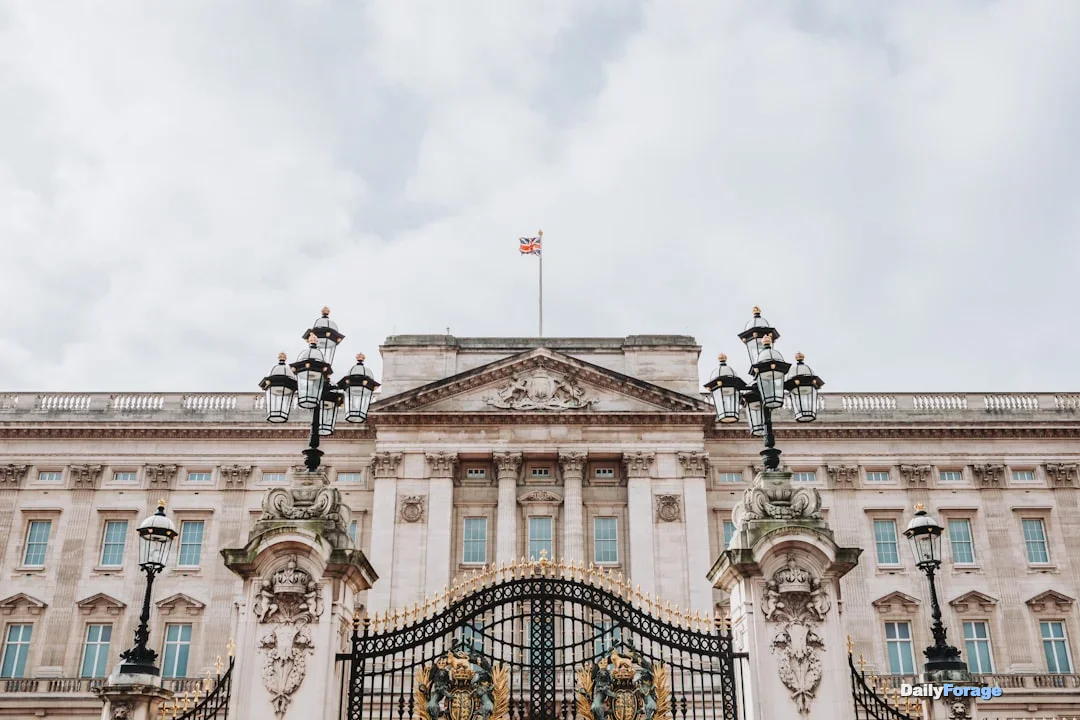
The Weight of an Impossible Choice
For less than a single year on the throne, Edward found himself locked in a quiet, high-stakes war with British political heavyweights like Prime Minister Stanley Baldwin. Society expected a monarch to embody an unbending moral tradition, yet the King remained entirely unapologetic about his devotion to Wallis Simpson, a twice-divorced American socialite whose very presence sent shockwaves through the conservative corridors of power.
This wasn't merely a personal romantic dalliance; it was a constitutional time bomb that terrified the imperial Establishment. Tradition dictated that the Crown held supreme moral authority over the Church of England, making any official union with Simpson politically radioactive and legally untenable under existing parliamentary rules.
"You must believe me when I have told you that it has been impossible to carry the heavy burden of responsibility and to discharge my duties as King as I would wish to do without the help and support of the woman I love." — King Edward VIII
Microphones and the Birth of Modern Royal PR
Long before televised royal interviews or carefully curated Instagram statements, Edward understood the raw power of direct broadcast communication. By bypassing traditional print syndicates and addressing his subjects directly over the wireless, he weaponized emotional intimacy to shape his own historical legacy before the government could spin the narrative.
That historic radio address remains an absolute masterclass in narrative control and personal branding. He carefully framed his sudden desertion not as a failure of duty or character, but as a tragic, noble sacrifice born of pure emotional honesty in an impossibly rigid world.
📌 Key Point: Edward's broadcast bypassed the government filter entirely, marking the first time a British monarch communicated a major political exit directly to the global populace via radio.
Anatomy of a Royal Exit
The logistics surrounding that December broadcast were as dramatic as the political fallout itself. Every single detail was meticulously managed to ensure the former king could say his final piece without interference from his former ministers or military officials.
Here are the core logistical elements that defined that unprecedented historical afternoon:
- December 11, 1936: The exact date the speech aired globally across the British Empire at 10:00 PM GMT.
- BBC Empire Service: The specialized broadcasting network that beamed his distinct voice to millions across six continents.
- Three hundred words: The remarkably brief length of the opening draft that shifted the geopolitical landscape overnight.
- Duke of Windsor: The official title granted to him immediately following his brother George VI's ascension to the throne.
The Ripple Effects Across the House of Windsor
Handing the crown to his reluctant younger brother, who reluctantly became George VI, plunged the royal family into an unexpected era of quiet dignity and wartime resilience. Edward retreated into permanent European exile, trading imperial pomp for a gilded life of high-society leisure and permanent detachment from British statecraft.
History frequently judges him through the lens of modern celebrity culture, viewing his choice as either an act of supreme romantic bravery or staggering, irresponsible self-absorption. Either way, he proved beyond a shadow of a doubt that even the oldest political institution on earth could be shaken to its foundations by a single human heartbeat.
Key Facts
- 327 days: The remarkably short duration of Edward VIII's reign, making it among the briefest in the entire history of the British monarchy.
- 26 million: Estimated listeners in the United Kingdom alone who tuned in to hear the live BBC broadcast on their household wireless sets.
- December 10, 1936: The exact calendar date Edward formally signed the Instrument of Abdication while staying at Fort Belvedere.
- Prime Minister Stanley Baldwin: The pivotal political figure who managed the constitutional crisis and negotiated the strict terms of the royal exit.
Conclusion
We continue to obsess over royalty precisely because they act as giant, glittering mirrors for our own private compromises between duty and personal desire. When Edward walked away from an empire for love, did he commit the ultimate act of modern rebellion, or merely abandon his post when the work became too difficult?
FAQ
He chose to step down because he wanted to marry Wallis Simpson, an American divorcée, which the British government and the Church of England deemed constitutionally unacceptable.
4 min read · 908 words
Share this article
Found this useful? Share it with your friends and followers.
Rate this article
Discussion
Leave a comment
Loading comments…
How did you find this article?
Related topics
King Edward VIII abdication1936 royal crisisWallis Simpson throneBritish monarchy historyEdward VIII speechHouse of WindsorStanley BaldwinBBC historical broadcastsabdication address transcriptBritish Empire 1936Windsor Castle radio broadcast
Follow this topic:
You might also like
Handpicked stories for you

Culture DailyForage · 3 min readRead
The Global Resonance of Vande Mataram in Modern Culture
A haunting melody from a nineteenth-century novel finds new life online, proving how centuries-old anthems adapt to digital-age cultural identity.
DailyForage · 3 min readRead 
Culture
The 'London Rule': Why Google's AI Brain Trust Jumped Ship to Anthropic
4 min read
Culture
Could South Africa Harness Free Midday Power from Solar Surplus?
5 min read
Culture
Satluj Pulled: India's Tightening Grip on Cinematic Expression
5 min read
Culture
Delhi's AI Future Unbound: Claude Fable 5 & Mythos 5 Export Controls Lifted
5 min read
Culture
US Grid's AI Overload: Why Datacenters Are Going Off-Grid by 2028
4 min readEnjoy this article?
Get fresh stories delivered to your inbox every morning.