Loading…
One Fallen Power Line Exposed a Dangerous AI Data Center Vulnerability
When a single power line dropped outside Washington DC, it triggered a massive 3-gigawatt AI data center drop that flickered lights from Virginia to Chicago.
16
Key takeaways
- 1When those server farms blinked offline, the sudden drop in load sent electrical voltage surging across a massive swath of the country.
- 2Modern artificial intelligence workloads operate at a scale that defies historical utility planning.
- 3Industrial manufacturing and semiconductor fabrication plants cannot tolerate erratic voltage without sustaining equipment damage.
- 4Grid operators and tech giants must fundamentally redesign how these facilities interact with local power suppliers.
On a quiet afternoon just outside Washington, DC, a single high-voltage power line fell to the earth. Under normal operating conditions, the PJM Interconnection grid recovers from such an event in mere seconds. This time, however, the recovery dragged on for more than 10 minutes because something unprecedented happened behind the meter. More than 3 gigawatts of power-hungry AI data centers abruptly stopped drawing electricity at almost the exact same second.
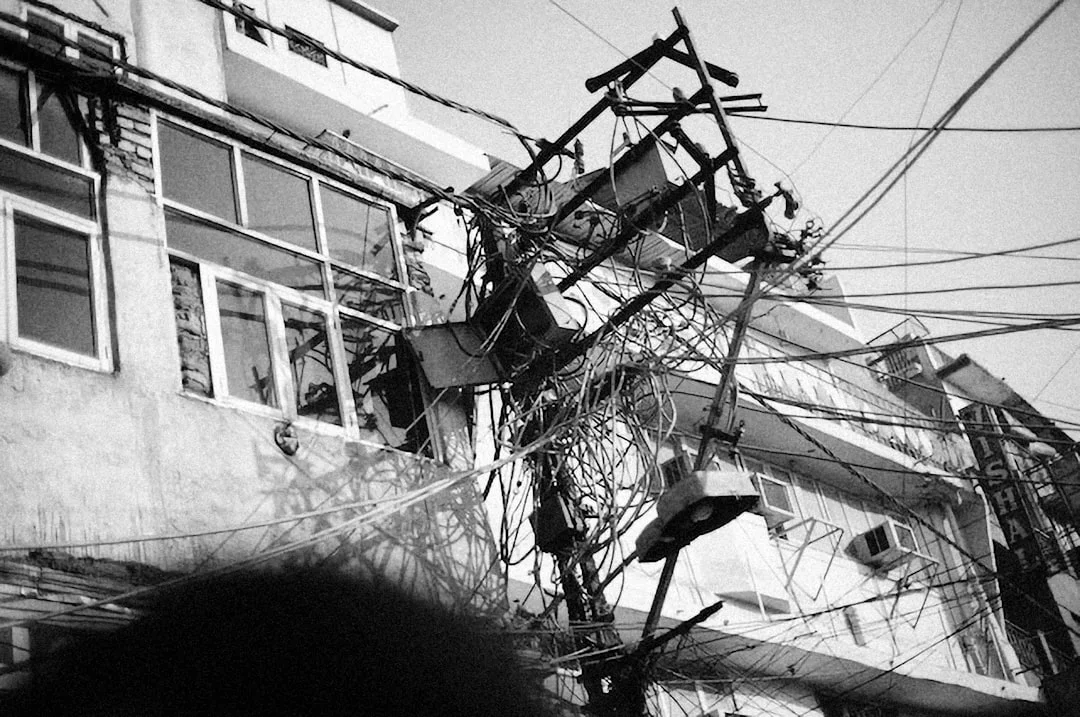
The Hidden Fragility of the PJM Grid
When those server farms blinked offline, the sudden drop in load sent electrical voltage surging across a massive swath of the country. Data collected by Ting Labs, a startup tracking residential electrical sockets through an IoT sensor network, revealed voltage spikes stretching all the way from Northern Virginia to Chicago. Residents didn't experience a total blackout, but their lights flickered wildly as the grid scrambled to rebalance supply and demand.
The incident proved that concentrated AI infrastructure acts as a massive, synchronized shock absorber—except when it snaps, it shocks the entire grid instead. Utilities never planned for gigawatt-scale loads to vanish instantaneously.
📌 Key Point: Concentrated AI power demand creates unprecedented simultaneous load shedding that traditional utility protection schemes cannot handle.
Why AI Power Demands Break Traditional Models
Modern artificial intelligence workloads operate at a scale that defies historical utility planning. A single hyperscale facility can consume as much electricity as a mid-sized city, turning quiet suburban counties into massive energy sinks. When utilities signed interconnection agreements for these facilities, they assumed steady, continuous baseload consumption. They never modeled what happens when millions of specialized processors throttle down simultaneously during a minor transmission fault.
Data centers feature sophisticated backup protection systems that trip instantly when voltage dips, compounding the very instability they are trying to avoid. When dozens of massive server hubs disconnect at once, the grid experiences a violent reverse-surge.
"We are building industrial-scale computing power atop electrical infrastructure that belongs in the last century."
The Economic Cost of Grid Instability
Industrial manufacturing and semiconductor fabrication plants cannot tolerate erratic voltage without sustaining equipment damage. When AI data centers trigger multi-state voltage spikes, downstream industrial users face severe operational risks. Utility regulators in Virginia and Maryland are already fielding urgent inquiries from commercial consumers demanding financial protections against grid volatility caused by tech expansion.
Energy markets must price in the systemic risk of clustered data center failures before regional blackouts become commonplace. Insurers and grid operators are rushing to update risk models as gigawatt-scale campuses proliferate across the eastern seaboard.
Fixing the Infrastructure Bottleneck
Grid operators and tech giants must fundamentally redesign how these facilities interact with local power suppliers. Here is what needs to happen immediately:
- Implement staged trip protocols rather than instantaneous, simultaneous shutdowns across regional facilities.
- Require data center operators to install localized battery energy storage systems (BESS) to absorb sudden load shifts.
- Upgrade grid monitoring software using real-time IoT sensors to detect micro-volt fluctuations before they cascade.
- Establish stricter capacity reserve margins specifically tailored for high-density computing hubs.
Key Facts
- Location of the fallen power line: Outside Washington, DC within the PJM grid footprint.
- Grid recovery time: More than 10 minutes, compared to normal recovery times of just a few seconds.
- Disconnected load: Over 3 gigawatts (3,000 megawatts) of AI data center capacity dropped simultaneously.
- Geographic impact zone: Voltage spikes registered across regions stretching from Northern Virginia to Chicago.
Conclusion
As tech companies race to construct bigger training clusters, the physical limits of local power grids are no longer a theoretical debate. If a single downed line can rattle electricity flows across multiple states, what happens when regional capacity demands double over the next three years?
FAQ
No, the event did not cause a blackout, but it did cause lights to flicker across several states due to sudden voltage spikes.
4 min read · 742 words
Share this article
Found this useful? Share it with your friends and followers.
Rate this article
Discussion
Leave a comment
Loading comments…
How did you find this article?
Related topics
AI data center power problemPJM grid outagedata center electricity demandWashington DC power lineTing Labs IoT sensorsAI infrastructure energy crisisgrid voltage spikesNorthern Virginia data centerselectricity grid stabilityAI power consumptionutility grid bottlenecksenergy storage for data centers
Follow this topic:
You might also like
Handpicked stories for you

Technology DailyForage · 6 min readRead
Xbox Charging Cents Per Hour for Cloud Streaming Is a Dangerous Precedent
Microsoft’s new cloud streaming trial charges players 24 to 40 cents an hour for titles they already own. This pay-per-minute shift threatens true digital ownership.
DailyForage · 6 min readRead 
World
Global Power Shifts: October 2026 Policy and Tech Realignment
5 min read
Technology
How vLLM Rewrote the Rules of Open-Source AI Infrastructure
6 min read
Technology
Fixing AI Token Bloat: Why Local Context Compression Matters
5 min read
Technology
India is Becoming a Global AI Hub: 5 Myths Busted for 2026
5 min read
Technology
Why Tech Giants Are Buying Nuclear Plants Instead of Grid Power
3 min readEnjoy this article?
Get fresh stories delivered to your inbox every morning.