Loading…
Trump's Paris Riot Claims: An Indian Perspective on Global Unrest
Donald Trump's recent attack on Emmanuel Macron regarding Paris riots has sparked intense debates. We examine what this means for global security and India's strategic worldview.
16
Key takeaways
- 1Q: Let us start with the core of the controversy.
- 2Q: France has long been one of India’s most dependable strategic partners in the West, notably through defense pacts and joint naval exercises in the Indo-Pacific.
- 3Q: When we look at urban riots in Western metropolises, what specific lessons do security planners in developing democracies draw from these events?
- 410,000: Approximate number of arrests made during the height of the French urban riots.
When Donald Trump stepped to a microphone in 2024 to declare that Paris is heading toward an irreversible demographic and social crisis, political shockwaves reached far beyond Europe. From the diplomatic enclaves of New Delhi to the streets of France, analysts are dissecting how domestic European unrest intersects with global political rhetoric.
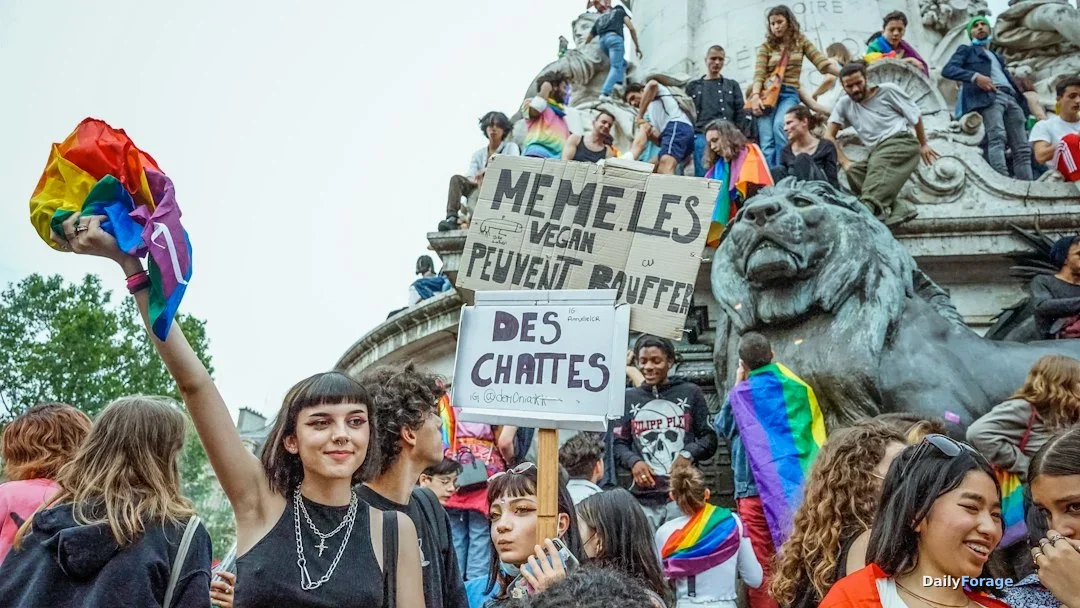
The Rhetoric Versus Reality on European Streets
Q: Let us start with the core of the controversy. Why did Donald Trump's remarks about Wikipedia entries and French immigration strike such a heavy nerve in diplomatic circles?
A: It is not just about the harsh phrasing used by the former U.S. president; it is about how hyper-polarized rhetoric weaponizes real urban friction. When riots flared across France involving over 10,000 detained protesters in recent months, foreign leaders seized the moment to project their own domestic narratives onto foreign soil.
Q: From your vantage point here in India, how do foreign policy observers view these dramatic characterizations of European cities?
A: Indian observers tend to look past the political grandstanding and focus on the underlying governance challenges. Urban centers like Paris face genuine integration and security pressures, but reducing complex socio-economic grievances down to apocalyptic soundbites obscures workable policy solutions.
Strategic Fallout for India-France Bilateral Ties
Q: France has long been one of India’s most dependable strategic partners in the West, notably through defense pacts and joint naval exercises in the Indo-Pacific. Do these intense domestic flare-ups jeopardize that diplomatic alignment?
A: Not immediately. New Delhi maintains a strict posture of non-interference in internal European affairs, valuing Paris as a crucial counterbalance in multilateral forums. The bilateral relationship weathered 25 years of strategic partnership agreements because both capitals prioritize mutual defense security over transient political noise.
Q: Yet, President Emmanuel Macron faces unprecedented domestic heat from both the radical right and vocal international critics. How does this vulnerability affect his standing on the world stage?
A: Vulnerability at home inevitably limits a leader's appetite for bold foreign policy initiatives. When a head of state spends 60 percent of their political capital managing burning suburbs and transit strikes, long-term geopolitical commitments naturally take a backseat.
Lessons in Urban Security and Social Cohesion
Q: When we look at urban riots in Western metropolises, what specific lessons do security planners in developing democracies draw from these events?
A: Developing nations often study these European crises to understand the limits of rapid demographic assimilation and municipal policing. Maintaining public order without alienating marginalized communities remains a delicate balancing act attempted by major democracies across Asia and Europe.
📌 Key Point: Foreign critiques of European urban unrest often ignore the deep-seated economic exclusion driving youth anger, mistaking a symptom for a civilizational collapse.
"When governance failures are framed as inevitable cultural doom, dialogue ceases and reactionary politics takes the wheel."
Here is a breakdown of the primary factors fueling the current French urban crisis:
- 35 percent youth unemployment rates lingering in suburban public housing estates known as banlieues.
- Decades of underfunded public infrastructure spanning 40 or more municipalities around major metropolitan cores.
- Escalating friction between local police forces and minority populations across 15 major French cities.
Key Facts
- 10,000: Approximate number of arrests made during the height of the French urban riots.
- 25: Years of formal strategic partnership between India and France celebrated in recent diplomatic milestones.
- 35: Percentage of jobless youth trapped in disadvantaged suburban housing clusters outside major French urban centers.
Conclusion
Q: As global polarization deepens, where does this leave the broader discourse on migration, security, and international diplomacy?
A: We are developing a dangerous trend where internal civil strife is instantly globalized for electoral gain. Whether leaders in Washington or New Delhi choose sober diplomacy over sensationalist soundbites will determine how fractured our global cities remain in the years ahead.
FAQ
Trump targeted Macron's immigration and security policies, claiming that ongoing urban unrest signals a fundamental breakdown of social order in France.
4 min read · 766 words
Share this article
Found this useful? Share it with your friends and followers.
Rate this article
Discussion
Leave a comment
Loading comments…
How did you find this article?
Related topics
Trump Paris remarksMacron Paris riotsIndia France relationsDonald Trump Emmanuel MacronParis security crisisEuropean immigration debateNew Delhi geopolitical analysisworld affairs reporterFrance domestic unrestTrump foreign policy critiqueglobal security dynamics
Follow this topic:
You might also like
Handpicked stories for you

World DailyForage · 4 min readRead
Why Global Crises No Longer Arrive One at a Time
A Polish perspective reveals how modern global dependencies mean American consumers and policymakers can no longer treat conflicts and supply shortages as isolated events.
DailyForage · 4 min readRead 
World
US Cuts Military Drills With South Korea After Iran War Fallout
4 min read
World
Inside Spain's Ceuta Border Crisis: The Tech and Data Behind the Surge
3 min read
World
Kudankulam Nuclear Leak: Inside India's Biggest Cyber Wake-Up Call
4 min read
World
US Drops 500% Russian Oil Tariff Threat: What It Means for India, China
4 min read
World
SA's Digital Certificates: Visitor Endorsement Builds Trust, Not Just Access
4 min readEnjoy this article?
Get fresh stories delivered to your inbox every morning.