Loading…
Why Extreme Summer Heat Demands More Than Just Chugging Water
Summer heat does more than make you sweat; it actively strips your cells of vital electrolytes. Here is the surprising science behind why basic hydration falls short.
16
Key takeaways
- 1High ambient heat forces your heart to pump up to four times more blood to your skin to dissipate heat, leaving fewer resources for your working muscles and vital organs.
- 2Drinking gallons of plain water during a heatwave can actually backfire by diluting the sodium concentration in your blood, a dangerous condition known as hyponatremia.
- 3Spotting heat strain early requires looking past obvious symptoms like dry mouth and checking for subtle physiological markers.
- 4The human body loses between 0.8 and 2.0 liters of sweat per hour during intense physical labor in temperatures above 30 degrees Celsius.
At 38 degrees Celsius, your sweat glands don't just perspire—they selectively pump out sodium and potassium at rates that can destabilize your cardiovascular system in under an hour. When ambient temperatures spike, your body shifts from passive cooling to an aggressive thermal defense mechanism that demands far more than a simple glass of tap water.
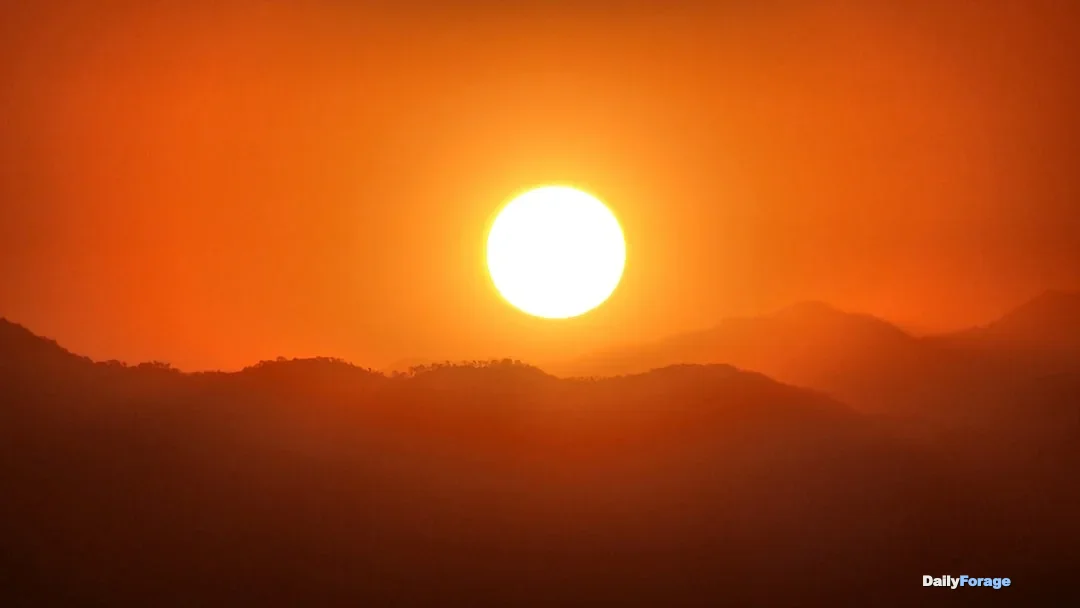
Most people wait until thirst sets in before reaching for a bottle, but Dr. Robert Kenefick from the U.S. Army Research Institute of Environmental Medicine found that thirst sensation only triggers after you've already lost about 2% of your total body weight in fluids. By that exact threshold, your cognitive function, physical endurance, and thermoregulatory efficiency have already begun to drop significantly.
The Cellular Cost of Rising Temperatures
High ambient heat forces your heart to pump up to four times more blood to your skin to dissipate heat, leaving fewer resources for your working muscles and vital organs. This dramatic shift creates an internal bottleneck where cellular metabolism outpaces fluid replenishment. When your skin temperature rises past 35 degrees Celsius, the cutaneous blood vessels dilate fully, dropping your blood pressure and forcing your heart rate to accelerate just to maintain baseline perfusion.
Your kidneys respond to this cardiovascular stress by releasing aldosterone, a hormone designed to retain sodium, but persistent heat exposure exhausts this hormonal feedback loop. Once aldosterone production lags, your cells lose their osmotic balance, leading to cellular shrinkage, sluggish neurotransmitter firing, and severe systemic fatigue that sleep alone won't fix.
Beyond Plain Water: The Electrolyte Equation
Drinking gallons of plain water during a heatwave can actually backfire by diluting the sodium concentration in your blood, a dangerous condition known as hyponatremia. Water needs specific electrolytes—specifically sodium and potassium—to hitch a ride across intestinal walls via sodium-glucose cotransporters and actually enter your bloodstream. Without this molecular transport system, excess water sits in your stomach or flushes straight through your kidneys.
📌 Key Point: Consuming pure water without adequate sodium during heavy summer sweating flushes out remaining minerals, accelerating cramping and heat exhaustion rather than preventing it.
"Hydration is not a volume game; it is an absorption equation dictated by molecular gradients." — Dr. Tamara Hewitt, metabolic researcher at the Institute for Human Performance.
Recognizing Hidden Dehydration Before It Strikes
Spotting heat strain early requires looking past obvious symptoms like dry mouth and checking for subtle physiological markers. Here are specific indicators that your current fluid intake is failing:
- Urine specific gravity testing reveals dark amber coloration, indicating a concentration above 1.025 grams per milliliter.
- Grip strength measurements drop by more than 8% even without physical exertion in ambient temperatures exceeding 35 degrees Celsius.
- Resting heart rate spikes by 10 to 15 beats per minute above your morning baseline while sitting in a shaded environment.
Key Facts
- The human body loses between 0.8 and 2.0 liters of sweat per hour during intense physical labor in temperatures above 30 degrees Celsius.
- Thirst perception is delayed by up to 60 minutes relative to actual physiological dehydration levels in adults over 50 years old.
- Blood plasma volume can decrease by up to 10% within 90 minutes of heat exposure without targeted fluid and electrolyte replacement.
Conclusion
As global temperatures continue to break historical records, our evolutionary cooling mechanisms need intentional biochemical support rather than outdated drinking advice. How will your daily fluid routine adapt the next time the thermometer crosses the 40-degree mark?
FAQ
Plain water lacks the sodium and potassium needed to maintain osmotic pressure, meaning it often passes right through your system without properly rehydrating depleted cells.
4 min read · 710 words
Share this article
Found this useful? Share it with your friends and followers.
Rate this article
Discussion
Leave a comment
Loading comments…
How did you find this article?
Related topics
summer heat hydrationelectrolyte balance in summerhow to stay hydrated in summerdehydration and hot weatherscience of hydrationelectrolytes vs watersummer health risksheat exhaustion preventionphysiological effects of heathydration strategiesbody temperature regulation
Follow this topic:
You might also like
Handpicked stories for you

Health DailyForage · 3 min readRead
South Africa's Tech Office Chai Break: Culture Meets Wellness
Step inside Johannesburg and Cape Town tech hubs where traditional adrak chai and hot samosas power developers through intense coding sprints and load shedding challenges.
DailyForage · 3 min readRead 

Enjoy this article?
Get fresh stories delivered to your inbox every morning.