Loading…
Why Tech Giants Are Buying Nuclear Plants Instead of Grid Power
Tech giants are moving past municipal grids to fund small modular nuclear reactors, reshaping how high-compute startups secure reliable power for AI workloads.
16
Key takeaways
- 1Many founders assume regional utilities will naturally scale up infrastructure to meet the soaring demands of artificial intelligence workloads.
- 2Conventional wisdom paints nuclear energy as a decades-long regulatory nightmare bogged down by massive multi-billion-dollar cost overruns.
- 3Renewable advocates often claim that massive solar farms coupled with battery storage can fuel heavy computation hubs without fossil fuels or nuclear options.
- 4Skeptics argue that advanced nuclear designs are expensive science projects that will never reach commercial viability or regulatory approval.
Sitting in a Dubai incubator last week, a founder told me his biggest bottleneck isn't talent or capital—it is finding enough juice to run GPU clusters. When Amazon announced it is funding 12 small modular reactors on a decommissioned coal site in Indiana to generate 960 megawatts through X-energy and AEP, it signaled a massive shift in how tech infrastructure gets built. Here in the United Arab Emirates, where the Barakah plant has already proven that nuclear energy works at scale, founders are watching these corporate power plays closely. Yet, widespread misconceptions persist about tech companies stepping into the nuclear game.
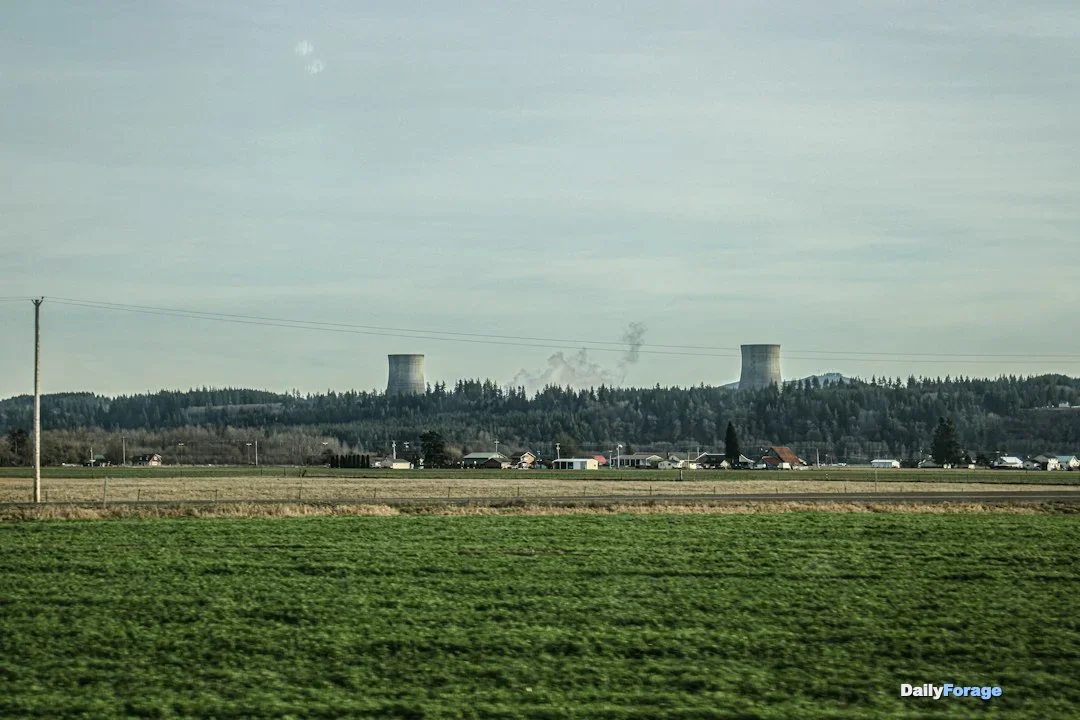
Myth 1: Data centers can rely indefinitely on standard municipal power grids
Many founders assume regional utilities will naturally scale up infrastructure to meet the soaring demands of artificial intelligence workloads. The reality is that municipal grids are buckling under the weight of surging power requirements, forcing hyperscalers to secure private generation deals. In regions like Indiana and major tech corridors worldwide, waiting years for public grid upgrades kills startup velocity.
Myth 2: Nuclear power projects are too slow to support agile tech infrastructure timelines
Conventional wisdom paints nuclear energy as a decades-long regulatory nightmare bogged down by massive multi-billion-dollar cost overruns. The reality is that small modular reactors are designed for factory assembly and rapid deployment on existing brownfield sites. By repurposing the demolished coal plant near Terre Haute, Amazon is sidestepping greenfield permitting delays to deliver power much faster.
Nuclear power is no longer a government monopoly; it is becoming private utilities infrastructure for the modern tech stack.
Myth 3: Solar and wind sources can entirely solve the hyperscale power deficit alone
Renewable advocates often claim that massive solar farms coupled with battery storage can fuel heavy computation hubs without fossil fuels or nuclear options. The reality is that artificial intelligence data centers demand uninterrupted baseload power 24/7, which intermittent renewables cannot guarantee without massive over-provisioning. Cloud infrastructure running inference models needs stability that only nuclear or fossil fuels can reliably provide.
📌 Key Point: Corporate energy procurement has shifted from buying green credits on paper to directly funding physical baseload power plants on the ground.
Myth 4: Small modular reactors remain unproven theoretical concepts
Skeptics argue that advanced nuclear designs are expensive science projects that will never reach commercial viability or regulatory approval. The reality is that commercial agreements are already locking in customer demand, with utilities like American Electric Power stepping up to operate these facilities.
- Factory-built reactor modules reduce construction timelines by up to 50%.
- Brownfield coal plant sites provide ready-made transmission interconnects.
- Private utility partnerships share financial risk between tech buyers and grid operators.
Key Facts
- Amazon is funding a proposed 960-megawatt nuclear project utilizing 12 small modular reactors.
- The facility will occupy the site of a demolished coal power plant in Terre Haute, Indiana.
- Utility partner American Electric Power will operate the completed nuclear plant.
- X-energy supplies the Xe-100 reactor design following its recent public offering in 2026.
Conclusion
Energy independence is no longer just a nation-state priority; it is the ultimate competitive moat for technology companies. As compute demands skyrocket across global tech hubs from Silicon Valley to the Middle East, the ability to secure direct, carbon-free baseload power will dictate which companies scale and which ones stall out in the dark.
FAQ
Data centers require massive, uninterrupted baseload electricity that traditional municipal grids and intermittent renewables alone cannot reliably supply.
3 min read · 666 words
Share this article
Found this useful? Share it with your friends and followers.
Rate this article
Discussion
Leave a comment
Loading comments…
How did you find this article?
Related topics
Amazon nuclear energysmall modular reactors techAI data center powernuclear power for data centersX-energy Amazon dealtech energy crisisbaseload power data centersnuclear reactors Indianastartup energy constraintscloud computing power supply
Follow this topic:
You might also like
Handpicked stories for you

Technology DailyForage · 4 min readRead
OpenAI Loses Data Center Boss Chris Malone Amid Exit Wave
OpenAI just lost its data center chief Chris Malone, casting a long shadow over infrastructure projects as tech giants scramble for power and stability.
DailyForage · 4 min readRead 
Technology
US Grid Strain: Datacenters Bypass Public Power, 40GW+ Off-Grid by 2028
4 min read
Technology
Wayfinder Router: Reclaiming Control Over Your LLM Costs and Data
4 min read
Technology
Amazon's $13B India AI Bet: What It Means for the Digital Economy
4 min read
Technology
Why India’s Hospital Disruption Matters to UAE Healthcare
3 min read
Technology
Venture Capital Targets Broken Hospital Economics Worldwide
3 min readEnjoy this article?
Get fresh stories delivered to your inbox every morning.