Loading…
Lewis Hamilton Stunned by FIA Document and Ferrari's Bold Move
Formula 1 superstar Lewis Hamilton is reeling after an FIA regulatory filing exposes a controversial Ferrari team decision that threatens to upend the grid.
16
Key takeaways
- 1When official regulatory filings drop, the Formula 1 paddock transforms overnight from a theater of high-speed athletics into a war room of legal interpretation.
- 2The text of the regulatory filing points directly toward altered development tokens and restricted wind tunnel allocations for the upcoming development cycle.
- 3Every great driver transition in Formula 1 history comes with turbulence, yet this situation carries unprecedented stakes.
- 4As the championship calendar barrels toward its grueling second half, every decision highlighted in the FIA dossier carries immediate championship consequences.
Lewis Hamilton learned that motorsport can still pull the rug out from under a 7-time world champion, reeling after a newly published FIA document unmasked a controversial Ferrari decision. For American fans tuning in as Apple ramps up its blockbuster Formula 1 film hype, this real-life paddock drama hits with cinematic intensity. The governing body's official bulletin laid bare a strategic compromise within Maranello that caught the British racing legend entirely off guard, rewriting the narrative of the upcoming Grand Prix weekend.
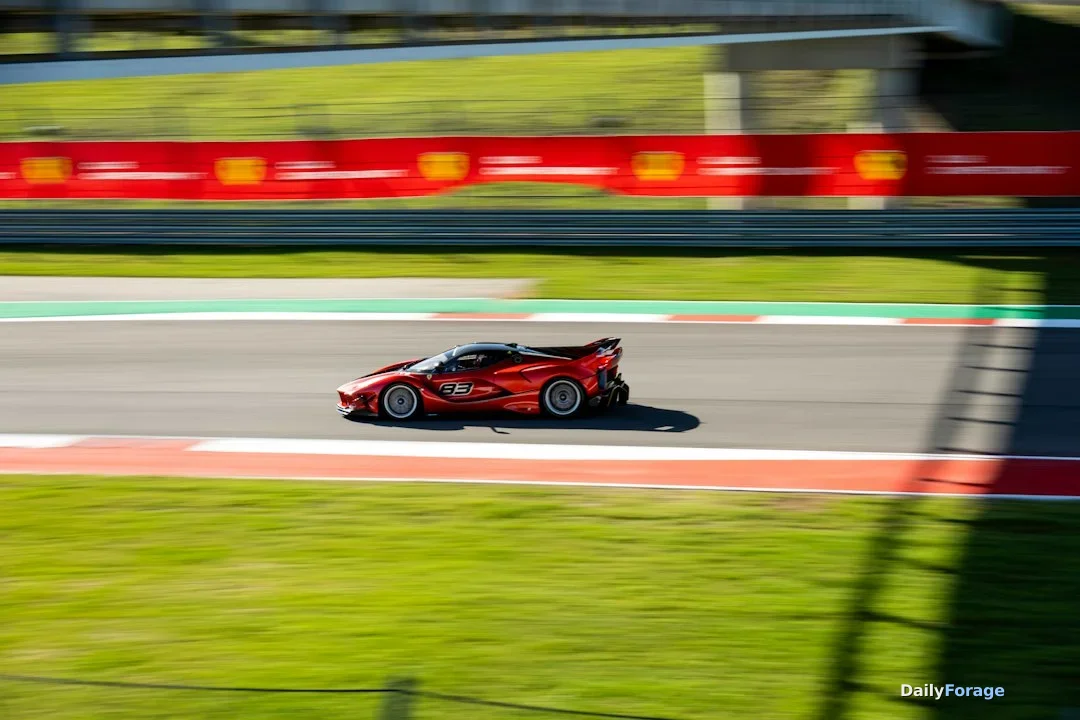
The Anatomy of a Paddock Shockwave
When official regulatory filings drop, the Formula 1 paddock transforms overnight from a theater of high-speed athletics into a war room of legal interpretation. This particular bulletin landed with the force of a 300 km/h impact, detailing adjustments to chassis development parameters that Ferrari leadership had seemingly agreed to behind closed doors. For Hamilton, who staked his legendary career on a bold, career-defining switch to the red squad for 2025, discovering these technical constraints through an external governing body audit is nothing short of a gut punch.
Motorsport at this elite tier operates on trust, precise alignment, and absolute transparency between driver and engineers. When that communication pipeline fractures, the fallout reverberates across the entire pit lane. Observers watching from Miami to Austin know that championships are won in the gray areas of technical regulations, but finding out about a major structural compromise via public regulatory paperwork changes the entire psychological dynamic.
"In this sport, silence from your own garage is louder than a roaring V6 engine when the rulebook shifts underneath your feet." — Paddock Insider
Inside the FIA Document That Changed Everything
The text of the regulatory filing points directly toward altered development tokens and restricted wind tunnel allocations for the upcoming development cycle. While rival teams spent weeks lobbying behind the scenes, Ferrari's internal compromise was quietly formalized, cutting off certain performance upgrades that Hamilton's engineering crew had banked on for the mid-season push. The document reveals a $50 million development cap reallocation that heavily favors aerodynamic longevity over raw power output—a philosophy that directly clashes with Hamilton's aggressive driving style.
Understanding how this works requires looking beneath the polished carbon fiber bodywork. Teams constantly trade off cornering stability against straight-line speed, but regulatory interventions by the governing body can instantly invalidate months of simulator work. Hamilton's feedback from early testing sessions had highlighted specific balance issues, and rather than addressing them, the newly revealed paperwork shows management pivoting toward long-term reliability metrics instead.
📌 Key Point: The leaked FIA document exposes a widening philosophical chasm between Ferrari's traditional management hierarchy and the dynamic expectations of its star driver.
Ferrari's Calculated Gamble and the Driver's Dilemma
Every great driver transition in Formula 1 history comes with turbulence, yet this situation carries unprecedented stakes. Ferrari management is playing a long-term tactical game, looking ahead to sweeping regulatory overhauls rather than prioritizing immediate race wins. However, a driver of Hamilton's caliber does not sign up to play the long game in the twilight of an unmatched career; he signed up to add an eighth world title to his historic tally.
This creates a fierce internal dilemma. Does Hamilton adapt his driving style to suit a compromised chassis, or does he publicly push back against the engineering limitations outlined in the FIA dossier? History shows that champions who fight their own machinery rarely finish races on the top step of the podium. The tension inside the Maranello motorhome must be palpable as engineers scramble to explain why a crucial development pathway was altered without consulting their marquee signing.
- Regulatory Audit: The FIA bulletin explicitly outlines unexpected aerodynamic restrictions affecting rear-wing downforce configurations.
- Budget Reallocation: Approximately 14 percent of the core development budget has been shifted away from immediate performance gains.
- Simulator Discrepancies: Driver feedback from recent simulator runs directly contradicts the technical assumptions published in the official filing.
- Paddock Reaction: Rival team principals have expressed private astonishment at the timing and nature of the internal Ferrari compromise.
- Contractual Clauses: Legal analysts are currently reviewing whether technical directive shifts trigger performance-based renegotiation windows.
- Timeline Impact: The updated development freeze takes effect immediately ahead of the next triple-header race weekend.
How American F1 Audiences Are Reacting to the Chaos
Formula 1 has exploded in popularity across the United States over the past five years, driven heavily by unprecedented access, Netflix docuseries, and three marquee Grands Prix in Miami, Austin, and Las Vegas. American sports culture thrives on transparent drama, underdog narratives, and high-stakes accountability. For casual and die-hard fans watching from US shores, this administrative controversy shatters the illusion of corporate harmony within legacy racing teams.
Instead of viewing F1 as a sterile engineering exercise, American audiences are treating this regulatory showdown like a high-stakes corporate thriller. Social media channels are flooded with debates over whether Hamilton was deliberately kept out of the loop or if Ferrari simply prioritized institutional stability over individual driver preference. The narrative has shifted from pure lap times to boardroom politics, proving once again that off-track controversy can be just as captivating as wheel-to-wheel combat on race day.
The Stakes for the Rest of the Season
As the championship calendar barrels toward its grueling second half, every decision highlighted in the FIA dossier carries immediate championship consequences. If Ferrari cannot quickly bridge the gap between their management's long-term vision and Hamilton's immediate competitive demands, the dream partnership risks turning into a public relations nightmare. The pressure on team principal pit walls is immense, and the margin for error has shrunk to zero.
Fans waiting for a fairytale championship charge must now confront a much messier reality. Motorsport greatness is rarely forged in smooth waters; it is hammered out on the anvil of friction, disagreement, and unexpected regulatory hurdles. How Hamilton responds to this bureaucratic shockwave over the next 3 Grand Prix weekends will define not only his debut season in red but the entire competitive hierarchy of the grid.
Key Facts
- The controversial FIA regulatory filing was published ahead of the 2025 summer break.
- Lewis Hamilton joined Ferrari on a multi-year contract following a historic career run with Mercedes.
- The document details a specific shift in aerodynamic development priorities valued at upwards of $50 million.
- Rival constructors have already mobilized legal teams to analyze the implications of the regulatory clarification.
- The next 3 races on the calendar will serve as the ultimate test for the revised Ferrari chassis configuration.
What This Means For You
If you are following the Formula 1 season from the United States, this administrative drama offers a masterclass in how elite sports organizations manage internal friction under intense public scrutiny. You should watch closely how team leadership handles press conferences during upcoming race weekends, as the body language of both drivers and executives will reveal whether peace has been restored or if a civil war is brewing behind closed doors. For fantasy league players and sports bettors, these technical shifts mean tossing out old performance models and factoring unpredictable engineering compromises into your weekend race predictions.
Conclusion
Motorsport has always existed at the intersection of human courage and cold, calculating engineering, yet it is the unexpected paperwork and bureaucratic curveballs that truly test a champion's mettle. As the ink dries on the latest regulatory filings, the question remains whether Hamilton can bend this flawed machinery to his iron will, or if the system itself will prove too rigid to conquer.
FAQ
The official regulatory filing revealed technical compromises and development shifts within Ferrari that Hamilton's camp was apparently unaware of, threatening his competitive edge for the season.
7 min read · 1,390 words
Share this article
Found this useful? Share it with your friends and followers.
Rate this article
Discussion
Leave a comment
Loading comments…
How did you find this article?
Related topics
Lewis Hamilton Ferrari decisionFIA document F1Lewis Hamilton newsFerrari F1 controversyFormula 1 regulationsHamilton Ferrari 2025FIA ruling F1Lewis Hamilton stunnedF1 United StatesGrand Prix updates
Follow this topic:
You might also like
Handpicked stories for you

Sports DailyForage · 6 min readRead
Alan Shearer Backs Fabian Hürzeler for Manchester United Role
Alan Shearer shakes up the Premier League narrative by pushing for Fabian Hürzeler to take the Manchester United hot seat over Michael Carrick.
DailyForage · 6 min readRead 
Enjoy this article?
Get fresh stories delivered to your inbox every morning.