Loading…
Florida Political Showdowns: What’s Driving the Latest Debates
Explore the sharpest political maneuvers, legislative flashpoints, and campaign trail drama currently dominating Florida's high-stakes political arena.
Key takeaways
- 1Recent finance disclosures filed on October 24, 2026, reveal staggering fundraising hauls for key state senate contests in Central Florida.
- 2Voters across the state are grappling with complex constitutional amendments that have polarized both major parties.
- 3Several long-standing legislative seats are experiencing unprecedented pressure from well-funded challengers.
- 4Tensions between municipal governments and state lawmakers remain a defining theme of the current political cycle.
Tallahassee corridors are buzzing as fresh fundraising reports and late-October polling numbers flip competitive legislative races upside down across the Sunshine State. Campaigns are entering their final sprint, pouring millions into television and digital ad buys to sway the remaining uncommitted voters. From the Panhandle down to the Keys, the political machinery is operating at full throttle, testing alliances and rewriting local electoral strategies.
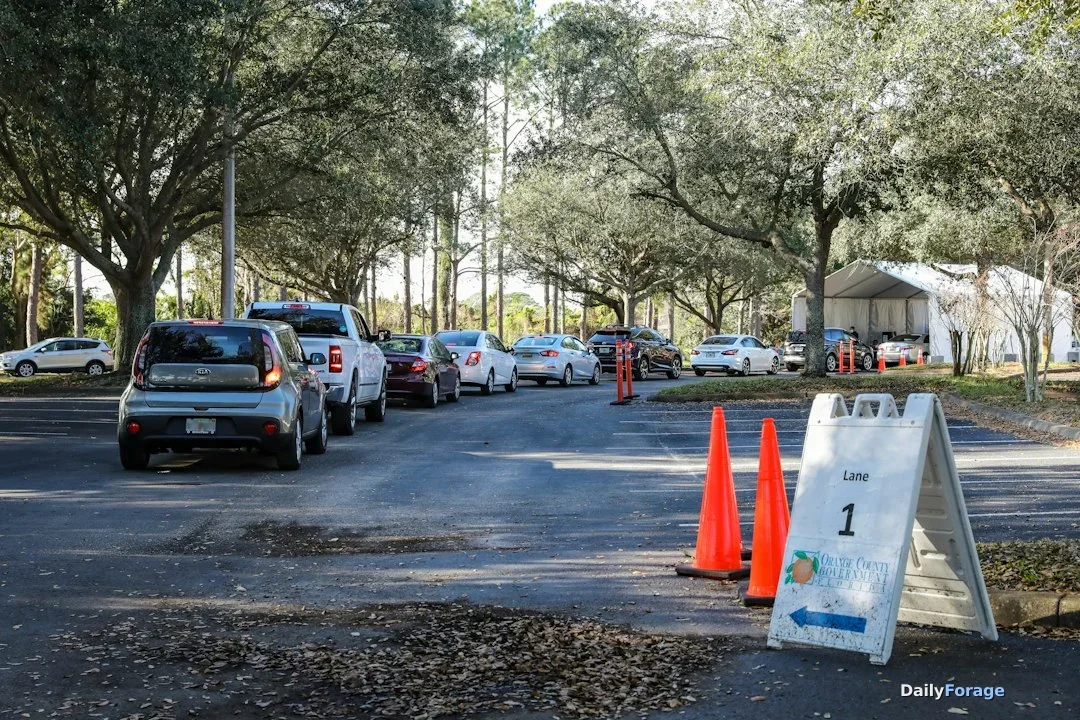
The Campaign Cash Surge Reshaping Legislative Districts
Recent finance disclosures filed on October 24, 2026, reveal staggering fundraising hauls for key state senate contests in Central Florida. Committees supporting incumbent candidates have raised upwards of $12.5 million combined, outstripping challengers by a margin of nearly 3-to-1. This financial dominance allows campaigns to saturate local media markets with counter-messaging well before Election Day.
"Money is the oxygen of politics, but in this cycle, we are seeing an absolute hurricane of cash transforming suburban precincts," notes a veteran Tallahassee strategist.
Critics argue this spending disparity drowns out grassroots voices, while defenders maintain that heavy advertising is essential to break through media noise. Either way, precinct-level ground games are feeling the squeeze as paid media dictates the rhythm of the final weeks. Voters are receiving up to 6 direct mail pieces daily, turning mailboxes into battlegrounds of contrasting policy claims.
Ballot Initiatives Igniting Fierce Partisan Debates
Voters across the state are grappling with complex constitutional amendments that have polarized both major parties. Amendment measures addressing property tax exemptions and local governance have sparked fierce debate among civic groups and legislative leaders alike. Polling indicates that roughly 54% of likely voters remain undecided on at least one major ballot question, creating high volatility for the final outcome.
📌 Key Point: Constitutional amendments requiring a 60% supermajority face an uphill climb when public awareness campaigns stall in the final fortnight.
Interest groups have poured over $30 million into television ads specifically targeting these ballot measures, deploying emotional appeals about housing affordability and local control. The outcome will likely determine the regulatory climate for small businesses and municipalities through 2028. Local chambers of commerce have mobilized town halls to educate members, underscoring the direct economic stakes involved.
Key Legislative Battles and Incumbent Vulnerabilities
Several long-standing legislative seats are experiencing unprecedented pressure from well-funded challengers. Analysts are closely monitoring districts in Pinellas and Hillsborough counties where shifting demographics have narrowed margins significantly. In these pivotal zones, winning margins are projected to fall below 2%, making every single door knock critical.
- District 14 features a neck-and-neck race focusing heavily on property insurance reform and state mitigation funds.
- District 22 has seen over $4.1 million spent on independent expenditure ads targeting voting records.
- Voter registration numbers show a net gain of 14,500 active participants in suburban Hillsborough over the past year.
- Early voting turnout totals have already crossed 850,000 ballots statewide within the first four days.
- Mail-in ballot rejection rates currently hover below 0.8%, reflecting heightened voter education efforts by county supervisors.
- Legal challenges regarding recent election oversight rules continue to weave through state courts, impacting administrative procedures.
Local Preemption Frictions and Municipal Pushback
Tensions between municipal governments and state lawmakers remain a defining theme of the current political cycle. City commissioners in major urban centers are pushing back against state-level preemptions governing local ordinances, zoning rules, and environmental regulations. When state preemption clashes with local desires, municipal leaders frequently turn to the courts, mirroring debates seen in recent federal rulings such as those highlighted in Federal Judge Halts DHS Door-to-Door Voter Checks.
Municipal leaders argue that statewide mandates strip communities of self-determination, while state legislators insist uniformity protects economic growth and consumer rights. This friction is driving high engagement in municipal elections, where local council seats carry immense weight over urban development policies. Voters in these areas are evaluating candidates primarily on their ability to defend local autonomy against state legislative overreach.
Key Facts
- Statewide campaign expenditures for the 2026 election cycle have exceeded $250 million across all races.
- Active registered voters in Florida surpassed 13.8 million heading into the final stretch of the campaign.
- Early voting sites statewide opened on October 19, 2026, operating for 14 consecutive days.
- Property insurance reform remains the top-cited legislative priority among 68% of surveyed voters.
- County supervisor offices have deployed over 300 extra temporary staff to handle mail-in ballot processing.
What This Means For You
As a voter navigating this high-stakes political landscape, your participation carries direct consequences for your community's future. Review your sample ballot thoroughly before heading to the polls or returning your mail-in ballot, paying special attention to complex constitutional amendments that require careful reading. Check your registration status and local polling location through official supervisor of elections portals to avoid last-minute administrative hurdles. Engaging with local candidate forums and reading non-partisan analysis helps cut through the multi-million-dollar ad noise, ensuring your vote reflects your actual local priorities.
Conclusion
The political currents sweeping across Florida right now reflect a state in rapid transition, where traditional party lines blur against the realities of rapid growth and economic pressure. As the final ballots are cast and counted, the true test will be how effectively elected officials address the foundational concerns of their constituents. The outcome of these races sets a powerful precedent for legislative battles nationwide, proving once again that Florida remains the ultimate political laboratory.
FAQ
Early voting runs through the weekend before Election Day, with mail-in ballots needing to be received by county supervisors no later than 7:00 PM on election night.
5 min read · 1,046 words
Share this article
Found this useful? Share it with your friends and followers.
Rate this article
Discussion
Leave a comment
Loading comments…
How did you find this article?
Related topics
Florida politicsSunshine State electionsFlorida legislationFlorida campaign trailFlorida political newsstate government FloridaFlorida lawmakerspolitical showdowns FloridaFlorida elections 2026Tallahassee policy updates
Follow this topic:
You might also like
Handpicked stories for you

Politics DailyForage · 7 min readRead
Federal Judge Halts DHS Doorstep Voter Checks Over Flawed Data
A federal judge blocked DHS from sending armed agents to noncitizen voter suspects' homes, finding the checks relied on flawed, outdated database matches.
DailyForage · 7 min readRead 
Politics
Federal Judge Blocks DHS Voter Roll Doorstep Investigations
5 min read
Politics
Why Bad Database Code Threatens India's Digital Public Infrastructure
4 min read
Politics
Why Washington's Mail-In Voting Showdown Matters Right Here in Delhi
5 min read
Politics
Inside the Last-Minute Halt on Trump's Iran Airstrikes
4 min read
Politics
Rahul Gandhi Sends Direct Message To PM Modi Over Student Protests
4 min readEnjoy this article?
Get fresh stories delivered to your inbox every morning.