Loading…
Michigan Senate Race 2026: Rogers, El-Sayed Clash in High-Stakes Battle
As Mike Rogers and Abdul El-Sayed clash in Michigan's 2026 Senate race, global markets watch closely. Find out how this political showdown impacts international trade.
Key takeaways
- 1Legislative control in Washington directly impacts transnational supply chains and tariff structures.
- 2Campaign dynamics shifted dramatically when high-profile political alignments fractured conventional party lines.
- 3Changes in the Senate chamber reverberate across global financial markets, influencing everything from currency valuations to cross-border technology transfers.
- 4Financial transparency reports filed ahead of the election reveal staggering campaign expenditures.
On November 3, 2026, voters across Michigan head to the polls for a congressional race carrying immense macroeconomic ripple effects. According to Wikipedia, the contest for the state's open Senate seat pits Democratic nominee Abdul El-Sayed against Republican nominee Mike Rogers. For business leaders and analysts in financial hubs from Mumbai to New York, this legislative battleground dictates much more than local party dominance; it signals the future trajectory of American trade legislation, industrial subsidies, and foreign investment frameworks.
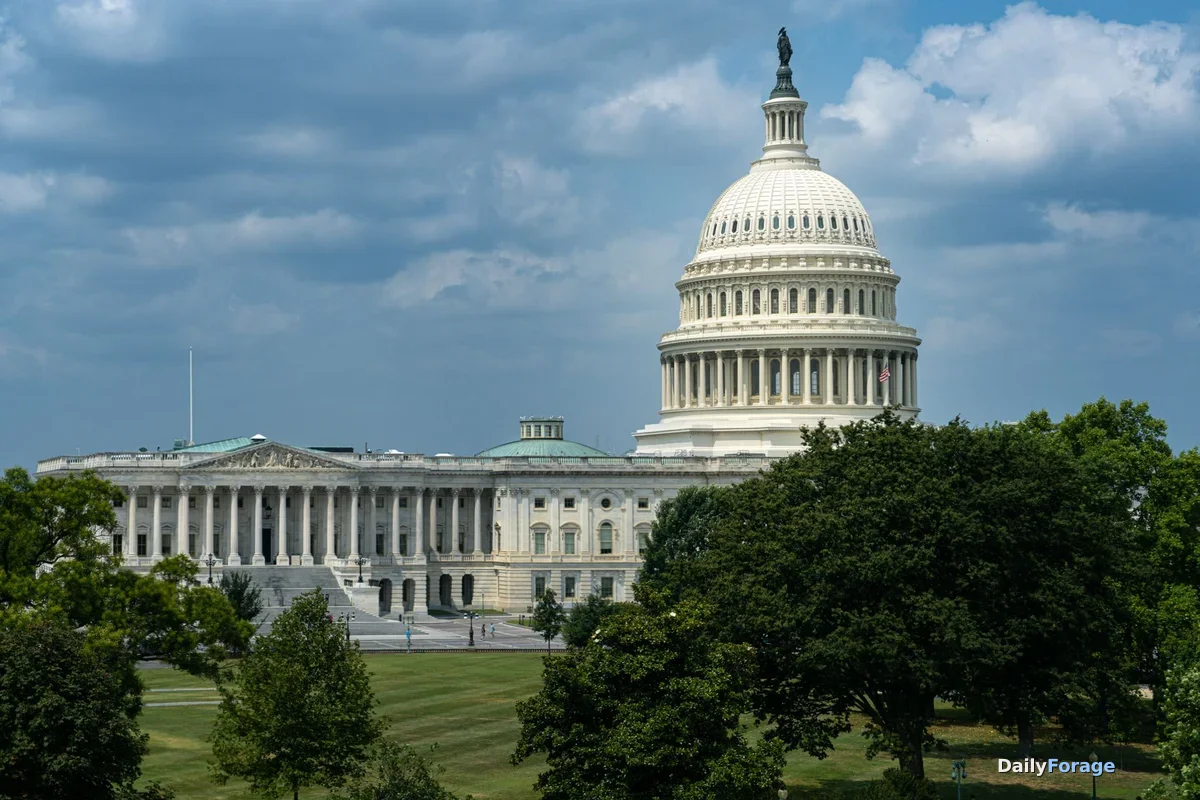
Why the Michigan Senate Seat Dictates Global Trade Policy
Legislative control in Washington directly impacts transnational supply chains and tariff structures. When industrial heartland states elect senators, those representatives sit on powerful committees that shape manufacturing incentives and trade protectionism. As detailed by Al Jazeera, policy shifts in Washington frequently alter the regulatory environment for foreign corporations operating within American borders.
Economic stability hinges heavily on congressional consensus regarding federal spending and tax policy. With incumbent Democrat Gary Peters stepping down, the state becomes a prime battleground where fiscal ideology clashes directly with industrial policy. Investors tracking cross-border capital flows monitor these high-stakes primaries because legislative outcomes reshape corporate tax rates and export regulations.
Markets abhor uncertainty, and few political contests generate as much policy volatility as an open Senate seat in a vital swing state. The winner will wield direct influence over economic packages totaling $1.2 trillion in federal infrastructure and manufacturing investments. That level of spending alters global commodity prices and shapes competitive dynamics for international suppliers.
The Haley Stevens Endorsement Shockwave and Party Fractures
Campaign dynamics shifted dramatically when high-profile political alignments fractured conventional party lines. According to reporting by NBC News, Democratic Representative Haley Stevens executed a surprising cross-party move by endorsing Republican candidate Mike Rogers. This unprecedented development sent immediate shockwaves through campaign headquarters and forced strategists on both sides to recalculate voter alignment.
Party unity usually dictates primary outcomes, but internal ideological friction proved too powerful to ignore in the final stretch. Analysts note that cross-endorsements reflect deep fractures over industrial labor policies and economic protectionism. Voters are increasingly prioritizing pragmatic regional interests over rigid party orthodoxy.
"When traditional party barriers collapse in a crucial industrial battleground, it signals a fundamental realignment in how voters view economic security."
Such fractures create openings for independent-minded candidates to capture crucial swing voters. As campaigns enter their final weeks, spending spikes drastically, with political action committees pumping tens of millions of dollars into television and digital advertising to sway undecided demographics.
How American Congressional Shifts Affect International Business
Changes in the Senate chamber reverberate across global financial markets, influencing everything from currency valuations to cross-border technology transfers. Emerging market economies, particularly manufacturing powerhouses across Asia, watch American legislative elections with intense scrutiny. Trade agreements negotiated in Washington dictate import quotas and intellectual property protections that directly impact overseas enterprise revenue.
For international firms expanding their footprints in North America, regulatory predictability is paramount. A shift in Senate leadership alters committee chairmanships, which in order determines the speed and scope of immigration reform, visa caps, and skilled labor mobility. Strategic economic alignment also ties directly into broader geopolitical shifts, similar to themes explored in Japan's China Security Strategy: Why Semantics Miss the Real Stakes.
- Federal legislative shifts modify cross-border trade tariffs, directly impacting manufacturing margins for multinational suppliers.
- Senate committee control determines the allocation of multi-billion dollar domestic semiconductor and clean energy subsidies.
- Immigration policy adjustments decided in Washington influence engineering talent pipelines between South Asia and North American technology hubs.
- Foreign direct investment flows react instantly to congressional election results as global funds rebalance portfolios based on anticipated regulatory climates.
- Bilateral economic dialogues depend heavily on which political party commands legislative majorities on Capitol Hill.
Breaking Down the Numbers: Fundraising and Voter Demographics
Financial transparency reports filed ahead of the election reveal staggering campaign expenditures. Candidates have collectively raised over $45 million, shattering previous fundraising records for mid-term congressional bids in the region. This massive capital injection transforms local media markets and saturates digital platforms with competing economic claims.
Voter turnout models project that participation will exceed 65% among registered electors in suburban Wayne and Oakland counties. Suburban economic anxiety remains the single biggest predictor of electoral success, with cost-of-living metrics dominating kitchen-table discussions.
📌 Key Point: Suburban voters earning between $60,000 and $100,000 annually have shifted their primary voting criteria from social issues strictly toward inflation metrics and job security.
Financial analysts emphasize that precinct-level data from industrial townships will determine the ultimate victor long before final state tallies are certified. Every percentage point shift in suburban turnout alters the macroeconomic mandate claimed by the winning candidate.
What the Detroit Industrial Belt Means for International Markets
Detroit's economic health serves as a bellwether for industrial output worldwide. Automotive supply chains linking North American assembly plants with component manufacturers in Europe and Asia depend heavily on predictable federal credit and trade policies. When Senate candidates debate tariffs and manufacturing subsidies, they are effectively negotiating the profit margins of international suppliers thousands of miles away.
Global automotive transformations require immense capital expenditure, making legislative stability non-negotiable for industry executives. Federal support programs dictate whether electric vehicle transition timelines accelerate or stall. Similar political dynamics are examined in Florida Political Showdowns: What’s Driving the Latest Debates, highlighting how regional legislative tensions dictate nationwide economic policies.
International trade partners must adapt swiftly to whatever protectionist or open-market measures emerge from the upcoming legislative session. Economic resilience depends on diversified supply chains that can withstand abrupt shifts in American trade legislation.
Key Facts
- The 2026 United States Senate election in Michigan takes place on November 3, 2026, to choose a successor for retiring Democratic incumbent Gary Peters.
- Democratic nominee Abdul El-Sayed and Republican nominee Mike Rogers represent their respective parties in this high-stakes contest.
- Representative Haley Stevens made national headlines by crossing party lines to endorse Republican candidate Mike Rogers during the campaign's final stretch.
- Campaign finance disclosures show total fundraising figures surpassing $45 million, breaking historical records for mid-term congressional races in the state.
The Bottom Line
The Michigan Senate contest transcends local politics, functioning as a vital referendum on national economic management and industrial policy. For international observers and emerging market executives, the election outcome establishes the legislative baseline for future trade pacts, immigration regulations, and corporate tax structures. As voters finalize their ballots, the global economy prepares for a shift in American legislative priorities that will reverberate for years.
Conclusion
Electoral victories in pivotal industrial states rewrite the rulebook for international commerce and trade diplomacy. Leaders who fail to anticipate these regulatory shifts risk obsolescence in an increasingly interconnected marketplace. The coming legislative term will test whether pragmatic economic policy can transcend partisan division on Capitol Hill.
Sources
FAQ
The election will be held on **November 3, 2026**, to decide who replaces retiring Democratic incumbent Gary Peters.
5 min read · 1,147 words
Share this article
Found this useful? Share it with your friends and followers.
Rate this article
Discussion
Leave a comment
Loading comments…
How did you find this article?
Related topics
Michigan Senate election 2026Mike Rogers SenateAbdul El-Sayed MichiganUS Senate controlMichigan politicsUS trade policyDetroit manufacturing economyAmerican elections 2026Haley Stevens endorsementUS Congress economic impact
Follow this topic:
You might also like
Handpicked stories for you

World DailyForage · 7 min readRead
Japan's China Security Strategy: Why Semantics Miss the Real Stakes
Japan chooses strategic ambiguity over a harsh new China label in its security review. Here is why Berlin is watching this high-stakes diplomatic game closely.
DailyForage · 7 min readRead 
World
Melania Trump’s Ukraine Cease-Fire Claim: What It Means
8 min read
World
The Real Science and Politics Behind Ultraprocessed Food Panic
8 min read
World
Behind the Table: Breaking Down the New Three-Way Peace Talks
6 min read
World
Global Power Shifts: October 2026 Policy and Tech Realignment
5 min read
World
Trump's Paris Riot Claims: An Indian Perspective on Global Unrest
4 min readEnjoy this article?
Get fresh stories delivered to your inbox every morning.