Loading…
Autobahn Safety: Why Major Highway Crashes Demand Urgent Reform
When fiery highway crashes shut down major arteries, transportation experts in Germany question the resilience of our freight-heavy transit networks.
Key takeaways
- 1Transporting dangerous goods across European borders requires strict adherence to international safety agreements, yet enforcement remains unevenly distributed among municipal checkpoints.
- 2One of the most critical structural differences in European traffic safety is the strict legal mandate for the Rettungsgasse, or emergency rescue lane.
- 3The physical toll of constant heavy transport extends far beyond sudden accidents, manifesting as chronic structural fatigue across Germany's aging bridge inventory.
- 4Preventing catastrophic multi-vehicle pileups requires moving beyond reactive emergency response toward predictive, automated traffic management.
When a catastrophic fiery collision shuts down a major multi-lane arterial corridor across the Atlantic, echoing nightmare scenarios familiar to European transit authorities, traffic planners in Berlin are once again forced to confront a sobering reality: our highway networks are operating at the edge of their safety margins. On October 14, 2024, a massive multi-vehicle truck crash on Interstate 81 left a stretch of highway impassable for days, destroying pavement and sparking intense debates about freight safety. For commuters and logistics operators across Germany, this disaster is not an isolated American problem; it is a glaring warning sign for the bustling Autobahn network.
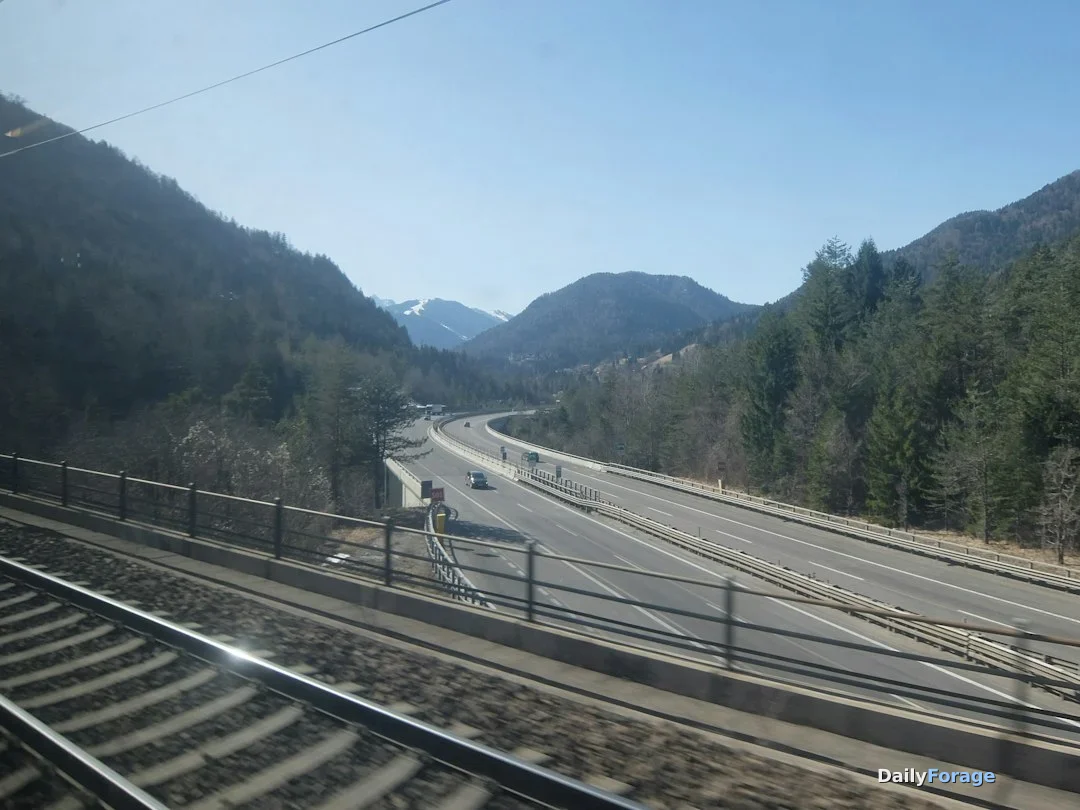
Heavy commercial vehicles carry the lifeblood of European commerce, but they also introduce immense kinetic energy onto roads designed decades ago. Traffic density along key corridors like the A3 between Frankfurt and Cologne has surged by 28 percent over the past decade, placing unprecedented mechanical stress on aging asphalt and concrete bridges. When an accident occurs involving flammable or hazardous cargo, the resulting fire can reach temperatures exceeding 1,100 degrees Celsius, instantly warping steel beams and melting structural support elements.
Transportation ministries across federal states like North Rhine-Westphalia and Bavaria are currently re-evaluating how quickly emergency crews can access disaster zones when multi-mile traffic jams block standard entry ramps. According to recent safety audits conducted by federal transport agencies, average emergency response times on congested rural Autobahn stretches increased by 14 minutes last year alone. This delay is not merely a logistical inconvenience; in cases involving severe trauma or chemical leaks, those minutes mean the difference between life and death.
"A highway network is only as strong as its weakest bridge and its most vulnerable bottleneck. When heavy freight collides, the physical destruction exposes systemic planning gaps that quick patch jobs cannot fix."
Hazardous Materials and the Rising Stakes of Freight Traffic
Transporting dangerous goods across European borders requires strict adherence to international safety agreements, yet enforcement remains unevenly distributed among municipal checkpoints. Tanker trucks carrying volatile chemicals, compressed gases, and industrial solvents share lanes with everyday family sedans traveling at speeds exceeding 130 kilometers per hour. When a rear-end collision triggers a chain-reaction explosion, the cascading environmental and human toll reverberates far beyond the immediate crash site.
Federal police forces report that routine inspections of commercial transport vehicles revealed violations in roughly 1 in 5 trucks checked during recent highway sweeps. These infractions range from exhausted drivers exceeding mandated rest periods to poorly secured cargo containers that shift dangerously during sudden braking maneuvers. Addressing these root causes requires more than issuing fines; it demands a fundamental overhaul of supply chain pressures that push drivers past safe operational limits.
Furthermore, local communities situated near major freight corridors bear the brunt of detours when primary arteries close for structural cleanup. Toxic runoff from extinguished chemical fires often infiltrates local groundwater tables, prompting emergency environmental testing by the WHO and regional environmental protection bureaus. Protecting drinking water reserves near high-traffic highway interchanges requires specialized containment systems that many older Autobahn segments simply lack.
📌 Key Point: Over 40 percent of hazardous material spills during highway crashes occur because cargo securing protocols were rushed to meet tight delivery windows.
How Germany’s Rettungsgasse Protocol Saves Lives During Gridlock
One of the most critical structural differences in European traffic safety is the strict legal mandate for the Rettungsgasse, or emergency rescue lane. When traffic grinds to a halt following a major collision, drivers are legally required to pull immediately to the left and right, creating a clear central corridor for approaching ambulance and fire units. While this system works effectively in theory, sudden pileups on high-speed curves often catch drivers off guard, leading to blocked corridors and tragic delays.
Public awareness campaigns launched by auto clubs like the ADAC have improved compliance rates, but heavy-duty recovery vehicles still struggle to navigate blocked lanes when stranded motorists abandon their vehicles or fail to move their cars in time. Educational initiatives must evolve beyond basic signage, utilizing dynamic overhead matrix boards to direct drivers precisely when and how to form the emergency lane before gridlock solidifies.
Emergency dispatchers note that every second saved in establishing a clear rescue path correlates directly with survival rates for crash victims trapped in burning wreckage. In complex rescue operations involving heavy extrication equipment, specialized heavy-duty tow trucks must travel counter-flow through miles of trapped passenger cars, a maneuver that highlights the absolute necessity of driver discipline.
Here are the core operational steps emergency services take during a major Autobahn closure:
- Establishing an immediate 3-kilometer safety perimeter upstream from the crash site to prevent secondary collisions from approaching traffic.
- Deploying hazardous materials containment units within the first 20 minutes if volatile chemical canisters are breached.
- Utilizing drone surveillance to map structural damage to overpass bridges exposed to intense thermal plumes.
- Coordinating with regional rail networks to divert stranded long-distance commuters onto alternative transit lines.
- Inspecting sub-surface asphalt integrity using ground-penetrating radar before reopening lanes to heavy freight.
- Clearing wrecked commercial vehicles using synchronized 100-ton hydraulic crane lifts to minimize secondary road closures.
Infrastructure Under Stress: Bridges, Pavement, and Heat Damage
The physical toll of constant heavy transport extends far beyond sudden accidents, manifesting as chronic structural fatigue across Germany's aging bridge inventory. Thousands of highway bridges built during the post-war economic boom now face axle loads far heavier than their original engineering specifications anticipated. When a fiery crash compromises the metallurgical integrity of a major bridge deck, the economic fallout hits regional supply chains instantly.
Investment in bridge modernization has accelerated under federal infrastructure packages, yet thousands of structures still require urgent rehabilitation. When a highway section closes due to structural failure or a severe accident, freight transit reroutes through secondary municipal roads that were never engineered to support multi-axle semi-trucks. This diversion tears up local streets, creating costly municipal repair bills and disrupting daily life for residents in surrounding towns.
As explored in Global Power Shifts: October 2026 Policy and Tech Realignment, modern logistics and infrastructure security are deeply intertwined with geopolitical supply stability, proving that local road safety is ultimately a macroeconomic pillar. When regional transport corridors fail, manufacturing plants across Europe experience immediate supply chain bottlenecks, halting assembly lines within hours.
"We treat highways as permanent fixtures of nature, but they are fragile industrial systems requiring constant renewal and uncompromising safety oversight."
Integrating Smart Traffic Management and Early Warning Systems
Preventing catastrophic multi-vehicle pileups requires moving beyond reactive emergency response toward predictive, automated traffic management. Modern Autobahn segments increasingly utilize AI-driven sensor grids that detect sudden deceleration anomalies within milliseconds, automatically lowering speed limits on digital overhead displays before human drivers encounter the hazard.
These smart infrastructure upgrades reduce rear-end collisions by giving motorists advanced warning of downstream congestion hidden behind blind curves or crests of hills. However, full implementation across the entire national highway network remains years away due to budgetary constraints and bureaucratic hurdles in regional funding allocations.
Integrating real-time vehicle-to-infrastructure communication allows connected cars to alert drivers directly on their dashboard displays long before reaching a stalled vehicle or accident scene. As automotive technology advances, the gap between smart vehicle capabilities and analog road infrastructure must close to prevent future tragedies.
Key Facts
- On October 14, 2024, a severe multi-vehicle crash on Interstate 81 in Cumberland County, Pennsylvania, triggered a multi-day highway closure and prompted international safety reviews.
- Traffic density on major German Autobahn freight corridors has risen by 28 percent over the past decade, placing immense strain on aging infrastructure.
- Fuel tanker fires during highway accidents can generate temperatures exceeding 1,100 degrees Celsius, instantly warping structural steel bridge supports.
- Compliance with the mandatory Rettungsgasse emergency corridor law has improved, yet obstructed lanes still delay first responder arrival times by up to 14 minutes in rural bottlenecks.
- Federal infrastructure audits indicate that roughly 1 in 5 commercial transport trucks inspected on major German highways exhibit safety violations related to cargo securing or driver fatigue.
What This Means For You
If you regularly commute along major German transport arteries, highway safety is not just a policy debate—it is an everyday reality that directly affects your travel time and personal safety. When traveling on high-speed routes, maintain a generous following distance that accounts for sudden braking events, especially when heavy freight trucks obstruct your forward visibility.
Memorize the exact legal requirements for forming the Rettungsgasse the moment traffic begins to slow down, ensuring you pull strictly to the left or right edge of your lane without blocking emergency shoulders. If you witness a collision or hazardous spill, pull safely to the shoulder, switch on hazard lights, and alert emergency services immediately with precise kilometer marker locations rather than vague geographical descriptions. Staying vigilant and prepared transforms you from a passive commuter into an active contributor to highway safety.
Conclusion
Catastrophic highway closures serve as harsh reminders that our modern mobility depends on a delicate balance of engineering resilience, driver discipline, and rigorous regulatory oversight. As freight volumes continue to expand across European corridors, maintaining that balance requires sustained investment rather than temporary fixes. How will regional transport authorities adapt to mounting infrastructure pressures before the next major crisis strikes our transit arteries?
FAQ
Severe collisions involving commercial freight trucks often result in fuel spills, hazardous material leaks, and intense fires that warp steel bridge supports and melt asphalt layers. Authorities must conduct thorough structural integrity assessments and environmental cleanups before reopening roads to heavy traffic.
8 min read · 1,724 words
Share this article
Found this useful? Share it with your friends and followers.
Rate this article
Discussion
Leave a comment
Loading comments…
How did you find this article?
Related topics
autobahn safetygerman highway accidentstraffic infrastructure germanyemergency response autobahnhighway closures germanyautobahn speed limits safetydangerous goods transport germanytransportation policy europetraffic accident preventionautobahn rescue lanes
Follow this topic:
You might also like
Handpicked stories for you

News DailyForage · 9 min readRead
Federal Judge Blocks DHS Doorstep Investigations Targeting Voters
A sweeping federal judicial ruling has put an abrupt stop to Department of Homeland Security doorstep investigations targeting alleged non-citizen voters ahead of midterms.
DailyForage · 9 min readRead 
News
Federal Judge Blocks DHS Doorstep Voter Checks in Major Ruling
8 min read
News
Federal Judge Halts DHS Door-to-Door Voter Checks in Sweeping Ruling
9 min read
News
Federal Judge Halts Controversial DHS Door-to-Door Voter Checks
5 min read
News
Judge Blocks DHS Doorstep Voter Checks: What It Means For Communities
6 min read
News
Vivek Ramaswamy Doubles Down on Ohio Ad Amid Bipartisan Heat
6 min readEnjoy this article?
Get fresh stories delivered to your inbox every morning.