Loading…
Federal Judge Blocks DHS Doorstep Voter Checks in Major Ruling
A federal court has halted the Department of Homeland Security's aggressive door-to-door investigations tracking alleged noncitizen voters, raising deep legal and privacy concerns.
Key takeaways
- 1The halted enforcement initiative relied heavily on automated data matching across disparate state registries, legacy voter databases, and commercial information brokers.
- 2The core vulnerability of the Department of Homeland Security's doorstep strategy lay in the quality of its underlying data.
- 3The federal court's decision centers squarely on statutory authority and the Tenth Amendment protections governing state-run elections.
- 4The immediate consequence of the enforcement sweep was widespread panic within immigrant-dense and multi-ethnic communities across the country.
Federal courts just slammed the brakes on a sweeping Department of Homeland Security directive that sent agents knocking on residential doors across multiple states to verify the registration status of alleged noncitizen voters. This aggressive enforcement mechanism, often referred to in policy circles as the Unlawful Voter Initiative, targeted more than 20,000 individuals whose registration files allegedly flagged discrepancies. By dispatching armed personnel directly to private homes, the agency sought to audit voter rolls in real-time, bypassing traditional state-managed verification channels and triggering immediate constitutional challenges from civil rights organizations.
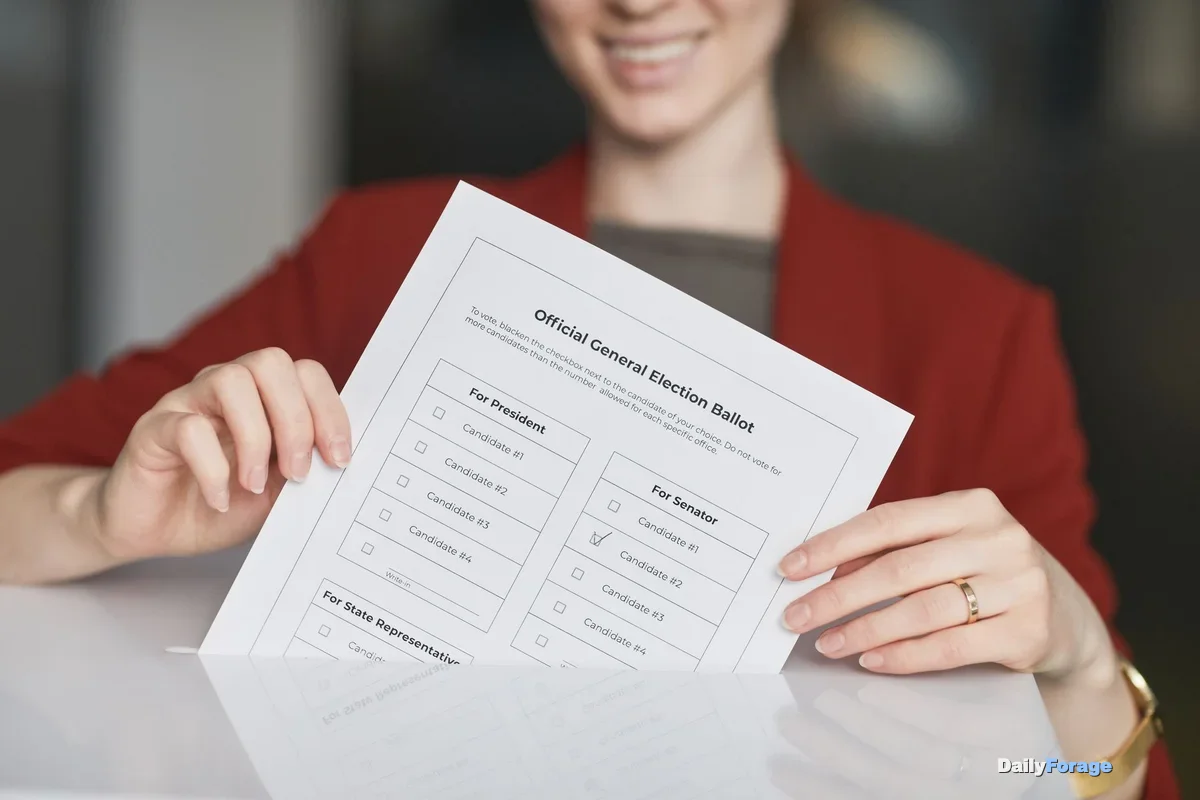
Legal scholars and election administration experts have pointed out that the operational framework relied on administrative databases that were never designed for criminal enforcement or doorstep interrogations. When federal personnel show up unannounced at a citizen or resident's home demanding proof of citizenship, the psychological impact alone creates a chilling effect on legitimate political participation. This ruling marks a pivotal turning point in how federal executive agencies interact with local election infrastructure, drawing sharp lines around the separation of powers between federal law enforcement and state-administered elections.
The Mechanics of the Department of Homeland Security Sweep
The halted enforcement initiative relied heavily on automated data matching across disparate state registries, legacy voter databases, and commercial information brokers. Investigators cross-referenced public records, sometimes utilizing commercial search tools like Google alongside proprietary state matching algorithms, to flag anomalies such as hyphenated surnames, outdated residential histories, or administrative clerical errors. Once a flag was generated, field agents were dispatched without prior written notification or administrative subpoenas to conduct face-to-face interviews.
What made this initiative unprecedented was the direct deployment of immigration and security personnel into domestic electoral oversight—a domain traditionally reserved for county clerks and state election boards. Rather than issuing formal inquiries or working through established legal frameworks, the directive prioritized rapid field verification. Critics argued that this approach converted routine clerical housekeeping into high-pressure investigative encounters, disproportionately affecting naturalized citizens whose records frequently contained historical database discrepancies.
"Deploying federal agents to interrogate private citizens on their doorsteps based on unverified database flags fundamentally alters the relationship between the electorate and the state."
Analysts noted that the speed of the deployment outpaced any rigorous quality control measures. In state after state, local election officials reported receiving frantic calls from registered voters who were interrogated about their citizenship status by armed agents who could not clearly explain the statutory basis for the inquiry. The operational speed substituted for accuracy, transforming statistical noise into targeted home visits.
Flawed Data and the Anatomy of a Registration Audit
The core vulnerability of the Department of Homeland Security's doorstep strategy lay in the quality of its underlying data. Voter registration databases are notoriously complex, incorporating data entry errors, delayed updates from vital statistics agencies, and formatting inconsistencies across county jurisdictions. When automated systems flagged individuals as potential noncitizens, those lists routinely included individuals who had naturalized years prior, military veterans, and citizens with common surnames.
📌 Key Point: The disputed lists often conflated outdated address records with active voter fraud, exposing thousands of naturalized citizens to direct federal intimidation based on flawed algorithmic outputs.
To understand the scale of the error rate, researchers examined the underlying datasets used to authorize the field visits. Out of every 100 flagged entries in pilot jurisdictions, independent audits revealed that a substantial percentage represented fully qualified electors whose only "violation" was moving between residences or updating their legal names. The agency's failure to conduct basic administrative pre-screening before deploying field agents highlighted a systemic disregard for the margin of error inherent in massive state-to-federal data exchanges.
Furthermore, investigators failed to account for the temporal lag in database synchronization. A person who naturalized in 2023 might still appear as a noncitizen in older state driver's license archives due to bureaucratic processing times. Instead of verifying these statuses through secure, centralized administrative channels, the agency opted for boots-on-the-ground intimidation, treating every database anomaly as an active compliance breach.
Legal Precedents and the Boundary of Federal Overreach
The federal court's decision centers squarely on statutory authority and the Tenth Amendment protections governing state-run elections. While federal agencies possess broad mandates regarding immigration enforcement and border security, their jurisdiction inside domestic ballot administration is tightly circumscribed by federal statute. For additional background on how federal courts are handling similar roll challenges, see Federal Judge Blocks DHS Voter Roll Doorstep Investigations.
Legal briefs filed by plaintiffs emphasized that the National Voter Registration Act establishes specific, exclusive procedures for removing ineligible voters from rolls—procedures that require notice, opportunity to cure, and formal administrative review rather than unannounced doorstep visits. The court agreed, ruling that executive branch agencies cannot invent unilateral enforcement mechanisms that circumvent established legislative safeguards.
Key legal arguments that shaped the judicial outcome included:
- Violation of statutory notice requirements mandated under federal election law for voter roll purges.
- Unauthorized use of immigration enforcement personnel in domestic electoral oversight without congressional authorization.
- Reliance on unvalidated matching algorithms that disproportionately targeted protected minority classes and naturalized citizens.
- Creation of an atmosphere of intimidation that suppresses lawful voter turnout in target jurisdictions.
- Absence of administrative due process allowing citizens to contest erroneous flags prior to field investigations.
- Direct conflict with existing state laws governing county-level ballot administration and verification duties.
Community Fallout and the Risk of Voter Intimidation
The immediate consequence of the enforcement sweep was widespread panic within immigrant-dense and multi-ethnic communities across the country. Grassroots civic organizations documented a sharp decline in community workshop attendance and voter registration drives as rumors of federal agents knocking on doors spread through neighborhoods. For a closer look at local ramifications, consult Judge Blocks DHS Doorstep Voter Checks: What It Means For Communities.
When armed agents question residents about their voting eligibility outside of formal judicial proceedings, the chilling effect extends far beyond the specific individuals targeted. Family members, neighbors, and community leaders absorb the message that participating in democratic elections carries personal risk. This intimidation factor directly undermines the core purpose of free and open electoral participation, creating a two-tiered reality where certain populations must weigh their constitutional rights against the threat of federal scrutiny.
Local election workers also bore the brunt of the fallout. County clerks who had no prior knowledge of the federal sweeps found themselves inundated with anxious inquiries from voters demanding to know if their registrations were still valid. Rather than reinforcing public confidence in election integrity, the initiative sowed deep distrust in the basic administrative apparatus of democracy.
Broader Implications for National Ballot Integrity
Beyond the immediate legal victory for plaintiffs, this ruling establishes a critical precedent for the limits of executive branch intervention in electoral administration. As technology makes large-scale data matching increasingly accessible, the temptation for federal agencies to police domestic voting behavior using flawed datasets will only grow. This decision draws a firm constitutional boundary, establishing that technological capability does not equal legal authority.
Experts suggest that future debates will center on data governance standards and the transparency of inter-agency data sharing. If federal entities wish to assist with election integrity, they must operate within transparent, verifiable legislative frameworks rather than covert operational directives. The court's unequivocal rejection of the doorstep strategy signals that judicial oversight remains a potent defense against administrative overreach.
Key Facts
- The halted Department of Homeland Security directive targeted more than 20,000 registered individuals across nine different states during midterm election cycles.
- Independent audits revealed that a significant portion of flagged records belonged to naturalized citizens and individuals with routine administrative updates.
- The National Voter Registration Act mandates specific administrative notice periods that were bypassed entirely by the doorstep investigation protocol.
- Federal district court judge in Oakland heard the foundational arguments regarding the legality of using immigration personnel for voter roll audits.
- The legal challenge consolidated multiple lawsuits filed by civil rights groups and affected union members against executive enforcement overreach.
What This Means For You
If you are a registered voter, especially a naturalized citizen who has recently updated your address or legal name, this ruling offers immediate protection against unannounced doorstep interrogations by federal security personnel. However, it also serves as a reminder to verify your registration status directly through your county elections office rather than relying on third-party notices or unverified text messages.
Take time to log into your official state election portal to ensure your voter status remains active and accurate. If anyone visits your home claiming to represent federal election or immigration enforcement while asking about your ballot history or citizenship, request official identification, document their credentials, and contact your local election official or legal aid organization immediately.
Conclusion
As federal courts continue to parse the boundaries between national security mandates and domestic electoral rights, the fundamental question remains: how can democratic institutions balance data-driven verification with the protection of civil liberties? The judiciary has drawn a clear line in the sand, but the underlying tensions between modern surveillance capabilities and voting rights will define the electoral landscape for years to come.
FAQ
Did the federal court permanently ban all Department of Homeland Security voter investigations? The ruling specifically halts the controversial door-to-door doorstep investigation protocol and its associated sweep of alleged noncitizen voters during election cycles, though broader litigation regarding database sharing continues in federal court.
How were individuals selected for these doorstep visits by federal agents? Investigators relied on automated data matching across state registries, legacy databases, and commercial records to flag clerical discrepancies, hyphenated names, and outdated address histories, which frequently misidentified naturalized citizens.
What should a voter do if federal agents knock on their door regarding voter registration? Residents are advised to request official identification, decline to answer questions without legal representation present, and report the visit immediately to their county election office or a civil rights legal organization.
How does this ruling affect state-level election administration? It reinforces the principle that local and state election boards retain primary authority over voter registration and roll maintenance under the National Voter Registration Act, preventing federal agencies from bypassing established administrative channels.
FAQ
The ruling specifically halts the controversial door-to-door doorstep investigation protocol and its associated sweep of alleged noncitizen voters during election cycles, though broader litigation regarding database sharing continues in federal court.
8 min read · 1,692 words
Share this article
Found this useful? Share it with your friends and followers.
Rate this article
Discussion
Leave a comment
Loading comments…
How did you find this article?
Related topics
DHS door to door voter checksnoncitizen voters federal rulingDepartment of Homeland Security voter investigationvoter roll sweep lawsuitfederal judge blocks voter intimidationelection integrity legal challengeUnlawful Voter Initiative court decision
Follow this topic:
You might also like
Handpicked stories for you

News DailyForage · 9 min readRead
Federal Judge Halts DHS Door-to-Door Voter Checks in Sweeping Ruling
A federal judge has decisively blocked the Department of Homeland Security from deploying agents for door-to-door voter checks, halting a divisive electoral crackdown.
DailyForage · 9 min readRead 
Politics
Federal Judge Halts DHS Doorstep Voter Checks Over Flawed Data
7 min read
News
Federal Judge Blocks DHS Doorstep Investigations Targeting Voters
9 min read
News
Federal Judge Halts Controversial DHS Door-to-Door Voter Checks
5 min read
News
Judge Blocks DHS Doorstep Voter Checks: What It Means For Communities
6 min read
News
Vivek Ramaswamy Doubles Down on Ohio Ad Amid Bipartisan Heat
6 min readEnjoy this article?
Get fresh stories delivered to your inbox every morning.