Loading…
Judge Blocks DHS Doorstep Voter Checks: What It Means For Communities
When federal agents start knocking on doors to check voter registration status, the ripple effects go far beyond legal debates into everyday community wellbeing.
16
Key takeaways
- 1Jordan Lee: When courts step in to block federal operational tactics, it signals a significant constitutional clash.
- 2Jordan Lee: Let's unpack that mental health angle.
- 3Jordan Lee: Turning back to the legal mechanics, what did the court say about the administrative procedures used to justify these door-to-door visits?
- 4Jordan Lee: For local organizations and community advocates trying to support residents right now, what are the most effective responses to these federal tactics?
Jordan Lee: Welcome back. Today we are looking at a major legal development involving the Department of Homeland Security and voter verification tactics. Joining me is Dr. Elena Vance, a researcher tracking community resilience. Elena, let's start with the basics. What actually triggered this judicial intervention?
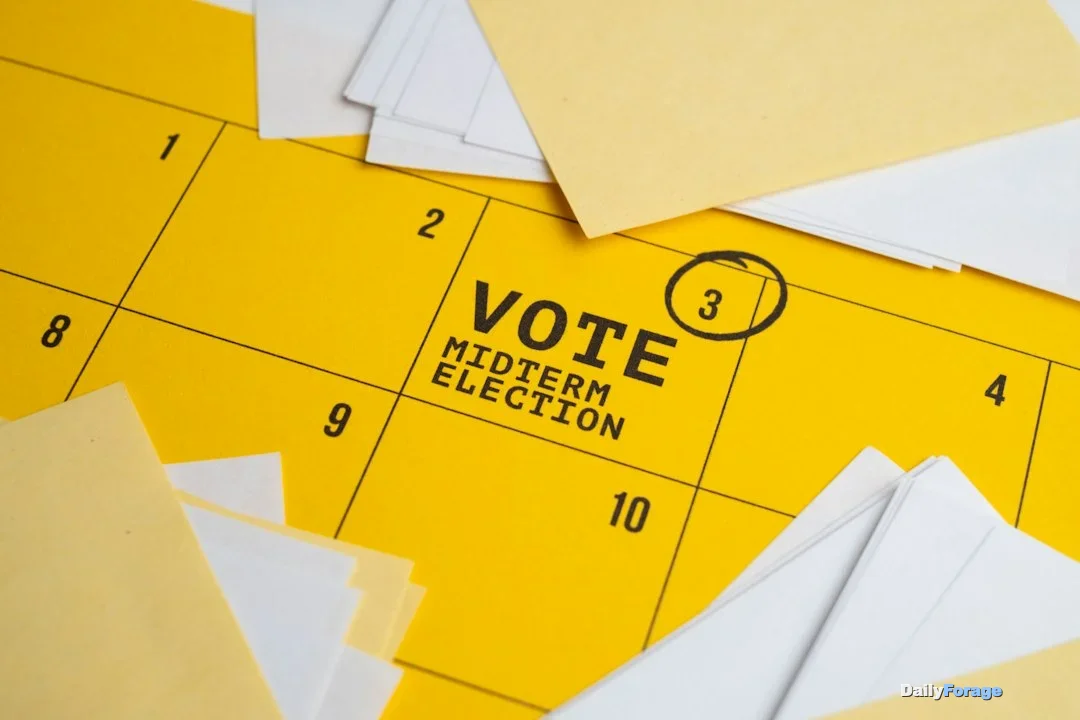
Dr. Elena Vance: Thanks for having me, Jordan. Reports indicate that federal agents from the Department of Homeland Security began conducting doorstep visits to verify the registration status of possible noncitizen voters. This practice quickly drew sharp legal challenges because unannounced home visits by federal immigration or security personnel create intense fear in neighborhoods. A federal judge recently stepped in to halt the policy, ruling that these tactics overstepped statutory boundaries and infringed upon civil protections.
Understanding the Judicial Rejection
Jordan Lee: When courts step in to block federal operational tactics, it signals a significant constitutional clash. How did the judge frame the limits of executive authority in this specific case?
Dr. Elena Vance: The core of the ruling focuses on the separation of powers and the specific statutory mandates governing federal agencies. According to early reports, the court found that deploying security personnel directly to residential doorsteps to interrogate citizens or residents about voter status lacked clear congressional authorization. Agencies cannot simply invent new investigative programs without explicit statutory backing, especially when those programs intersect with sensitive constitutional rights like voting and privacy.
"When federal oversight mechanisms are bypassed at the front door, public trust dissolves instantly, leaving entire communities questioning their basic protections."
Jordan Lee: That speaks volumes about how policy execution affects public trust. As someone studying community wellbeing, how do you see unannounced federal visits altering the social fabric of immigrant-dense neighborhoods?
Dr. Elena Vance: Trust is fragile. When residents see armed or uniformed federal agents asking about voter rolls on their porches, the psychological impact ripples outward immediately. Families who have lived in a neighborhood for 10 or 15 years suddenly feel like targets. As the WHO often notes in public health guidelines regarding chronic stress, sustained anxiety from systemic surveillance severely undermines mental health outcomes across entire populations.
The Psychological Toll on Neighborhood Stability
Jordan Lee: Let's unpack that mental health angle. How does doorstep enforcement affect everyday community participation, such as sending children to school or visiting local clinics?
Dr. Elena Vance: Fear acts as a severe deterrent to civic and social engagement. When people worry that answering a knock on the door might result in unintended legal complications or family separation, they withdraw. Parents stop attending school board meetings. Patients cancel routine medical appointments at local community health centers. For more detailed background on how federal injunctions shape civic landscapes, readers can review Federal Judge Blocks DHS Voter Roll Doorstep Investigations.
Jordan Lee: It creates a chilling effect that extends far beyond the ballot box. Are there documented patterns showing drops in public service utilization during periods of heightened immigration or voting enforcement scrutiny?
Dr. Elena Vance: Absolutely. Historical observations show that whenever aggressive federal enforcement tactics appear in residential areas, community resource utilization drops noticeably within 48 hours. People isolate themselves. Public health agencies and local non-profits report sudden surges in cancelled appointments and missed community events.
📌 Key Point: Unannounced doorstep checks by federal authorities do not just verify voter rolls; they instantly paralyze local participation in essential public health and educational services.
Legal Boundaries and Agency Overreach
Jordan Lee: Turning back to the legal mechanics, what did the court say about the administrative procedures used to justify these door-to-door visits?
Dr. Elena Vance: Courts look very closely at whether an agency followed proper rulemaking procedures. In this instance, legal analysts point out that the agency initiated these doorstep visits without public notice or formal comment periods, bypassing standard administrative safeguards. That procedural shortcut proved fatal to the policy in court.
Jordan Lee: Agencies love to operate in regulatory gray areas. Why do federal bodies attempt these methods if courts consistently strike them down?
Dr. Elena Vance: Urgency often drives policy experimentation. Officials face intense political pressure to demonstrate active enforcement, leading them to stretch existing statutory authorities to their absolute limits. However, judicial oversight serves as a vital constitutional check against administrative creep.
📌 Key Point: Administrative shortcuts without explicit congressional backing frequently collapse when challenged in federal court.
What Neighborhoods and Advocates Are Doing
Jordan Lee: For local organizations and community advocates trying to support residents right now, what are the most effective responses to these federal tactics?
Dr. Elena Vance: Preparation and education remain the strongest defenses. Communities are mobilizing legal clinics, distributing multilingual rights pamphlets, and establishing rapid-response networks to ensure residents know their constitutional protections when someone knocks.
Here are concrete steps communities are taking:
- Organizing neighborhood legal literacy workshops to explain constitutional rights at the door.
- Establishing multilingual hotlines for immediate reporting of unannounced federal visits.
- Partnering with local civil rights groups to monitor agency compliance with federal court injunctions.
- Distributing physical Know-Your-Rights cards in 5 different languages to vulnerable households.
- Conducting community safety briefings with local elected officials and legal experts.
- Creating secure communication channels to debunk false rumors and share verified legal updates.
Key Facts
Jordan Lee: Let us review what is publicly known about this unfolding situation. What are the key verified details from the ruling?
Dr. Elena Vance: Based on early court filings and public reporting:
- A federal judge issued a formal ruling against the Department of Homeland Security's doorstep voter verification policy.
- The contested policy involved federal agents visiting residential properties to investigate potential noncitizen voting records.
- Legal challengers argued that the agency lacked explicit congressional authorization for these unannounced home visits.
- The court's injunction effectively halts the doorstep enforcement program while litigation proceeds.
- Civil rights organizations praised the ruling as a critical protection for privacy and community trust.
What This Means For You
Jordan Lee: For everyday readers watching these headlines, how should they process this news without falling into panic or misinformation?
Dr. Elena Vance: Understanding your basic constitutional rights is the best antidote to fear. If federal or law enforcement agents ever knock on your door, you are generally not obligated to let them inside without a judicial warrant signed by a judge. Staying calm, asking to see identification, and requesting legal counsel are standard protections available to all residents regardless of immigration status.
Moreover, keeping informed through reputable legal aid organizations rather than social media rumors helps maintain community stability. Court rulings like this one demonstrate that judicial checks and balances remain active, providing meaningful guardrails against administrative overreach.
Conclusion
Jordan Lee: As legal battles continue to wind through federal courts, the conversation around civic participation and agency authority will only intensify. How we balance election integrity with constitutional liberties will define community resilience for years to come.
FAQ
The judge ruled against the Department of Homeland Security's practice of sending agents to residential doors to check voter registration records, issuing an injunction to halt the program.
6 min read · 1,294 words
Share this article
Found this useful? Share it with your friends and followers.
Rate this article
Discussion
Leave a comment
Loading comments…
How did you find this article?
Related topics
DHS voter policy rulingfederal judge blocks DHSdoorstep voter checks legal casenoncitizen voting investigationDepartment of Homeland Security voter rollslegal ruling on DHS doorscommunity anxiety voter verificationimmigration enforcement newsvoter registration checks court casefederal court DHS injunction
Follow this topic:
You might also like
Handpicked stories for you

News DailyForage · 9 min readRead
Federal Judge Blocks DHS Doorstep Investigations Targeting Voters
A sweeping federal judicial ruling has put an abrupt stop to Department of Homeland Security doorstep investigations targeting alleged non-citizen voters ahead of midterms.
DailyForage · 9 min readRead 
News
Federal Judge Blocks DHS Doorstep Voter Checks in Major Ruling
8 min read
News
Federal Judge Halts DHS Door-to-Door Voter Checks in Sweeping Ruling
9 min read
News
Federal Judge Halts Controversial DHS Door-to-Door Voter Checks
5 min read
News
Vivek Ramaswamy Doubles Down on Ohio Ad Amid Bipartisan Heat
6 min read
News
Delhi Metro Station Closures: Economic Impact of 17 Hub Shutdowns
3 min readEnjoy this article?
Get fresh stories delivered to your inbox every morning.