Loading…
Delhi Metro Shuts 17 Key Stations Amid Heightened Security Protocols
Commuters across the Indian capital faced severe disruption as the Delhi Metro Rail Corporation abruptly shut seventeen key transit stations over critical security alerts.
16
Key takeaways
- 1The restriction list reads like a roadmap of the city's political and commercial spine.
- 2Blocking access to stations near government hubs and central business districts creates immediate bottlenecks across neighboring transit lines.
- 3Restoring normal operations depends entirely on clearance from security agencies monitoring intelligence inputs across the region.
- 417 metro stations are currently closed indefinitely across the capital network.
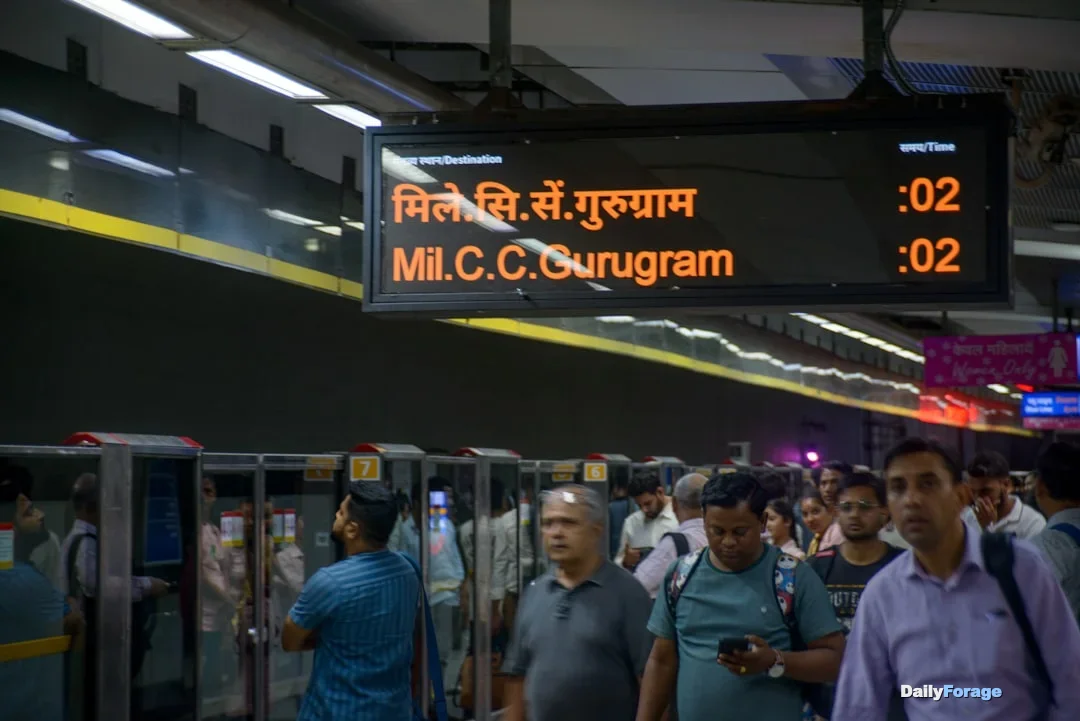
Commuters arriving at Rajiv Chowk and Mandir Marg found themselves locked out behind steel shutters this morning as transit authorities executed a sudden emergency directive. The Delhi Metro Rail Corporation issued an advisory confirming that 17 high-traffic stations are offline until further notice due to escalating security protocols across the capital.
The Anatomy of a Sudden Shutdown
The restriction list reads like a roadmap of the city's political and commercial spine. Vital interchanges including ITO, Delhi Gate, Indraprastha, Khan Market, Lok Kalyan Marg, Patel Chowk, Supreme Court, Barakhamba Road, Ramakrishna Ashram Marg, Mandi House, Shivaji Stadium, and Jhandewalan ceased operations without prior public warning. Intelligence agencies flagged acute vulnerabilities across central districts, prompting immediate intervention from transit planners who had mere hours to implement the lockdown protocol.
Authorities executed the closures swiftly to contain potential vulnerabilities during a high-alert window. Commuters accustomed to the clockwork precision of the rapid transit network suddenly found themselves scrambling for alternative surface transport options as trains bypassed these core terminals entirely without offering intermediate boarding.
📌 Key Point: Shutting down interchanges like Rajiv Chowk breaks the backbone of the transit network, instantly forcing millions onto congested arterial roads.
Ripple Effects Across the Capital Network
Blocking access to stations near government hubs and central business districts creates immediate bottlenecks across neighboring transit lines. Passengers traveling from distant suburbs found their journeys terminating prematurely, leading to massive crowding on platforms that remained operational while trains skipped core stops.
Bus corridors and auto-rickshaw stands absorbed the overflow instantly, driving up surface travel times by over 200% in central zones. Local vendors and office workers reported widespread confusion as real-time app updates struggled to keep pace with the rapidly shifting station statuses.
"When you close the central transfer hubs without warning, the entire urban transport network freezes within minutes."
What Comes Next for Commuters
Restoring normal operations depends entirely on clearance from security agencies monitoring intelligence inputs across the region. The DMRC maintains a strict policy of keeping stations closed until law enforcement agencies formally rescind the threat level, meaning indefinite delays remain the immediate reality.
Passengers should monitor official communication channels closely before attempting travel through central corridors. Transit officials are deploying additional staff to manage crowd surges at peripheral stations, but bottlenecking will persist until the core network reopens entirely.
Here is what commuters should prepare for during this restriction window:
- Avoid central interchange hubs like Rajiv Chowk and Mandi House during peak hours.
- Allocate an extra 45 to 60 minutes for any journey intersecting central Delhi.
- Utilize outer-ring metro stations and surface feeder buses to bypass closed zones.
Key Facts
- 17 metro stations are currently closed indefinitely across the capital network.
- Affected hubs include critical transfer points like Rajiv Chowk, ITO, and Mandi House.
- The Delhi Metro Rail Corporation issued the emergency advisory based on strict security protocols.
- Surface travel times through central zones spiked by over 200% following the shutdown.
Conclusion
Emergency transit restrictions expose the delicate balance between urban mobility and national security in modern megacities. How long can capital infrastructure withstand such abrupt paralyzing measures before permanent structural protocols adapt?
FAQ
The closures are part of urgent security measures and advisories issued by the Delhi Metro Rail Corporation.
3 min read · 623 words
Share this article
Found this useful? Share it with your friends and followers.
Rate this article
Discussion
Leave a comment
Loading comments…
How did you find this article?
Related topics
Delhi Metro closuresDMRC security advisoryDelhi Metro stations closedRajiv Chowk metro stationITO metro closedDelhi public transportmetro security measuresDMRC newscapital transport disruptionDelhi Metro routesKhan Market metro closed
Follow this topic:
You might also like
Handpicked stories for you

News DailyForage · 9 min readRead
Federal Judge Blocks DHS Doorstep Investigations Targeting Voters
A sweeping federal judicial ruling has put an abrupt stop to Department of Homeland Security doorstep investigations targeting alleged non-citizen voters ahead of midterms.
DailyForage · 9 min readRead 
News
Federal Judge Blocks DHS Doorstep Voter Checks in Major Ruling
8 min read
News
Federal Judge Halts DHS Door-to-Door Voter Checks in Sweeping Ruling
9 min read
News
Federal Judge Halts Controversial DHS Door-to-Door Voter Checks
5 min read
News
Judge Blocks DHS Doorstep Voter Checks: What It Means For Communities
6 min read
News
Vivek Ramaswamy Doubles Down on Ohio Ad Amid Bipartisan Heat
6 min readEnjoy this article?
Get fresh stories delivered to your inbox every morning.